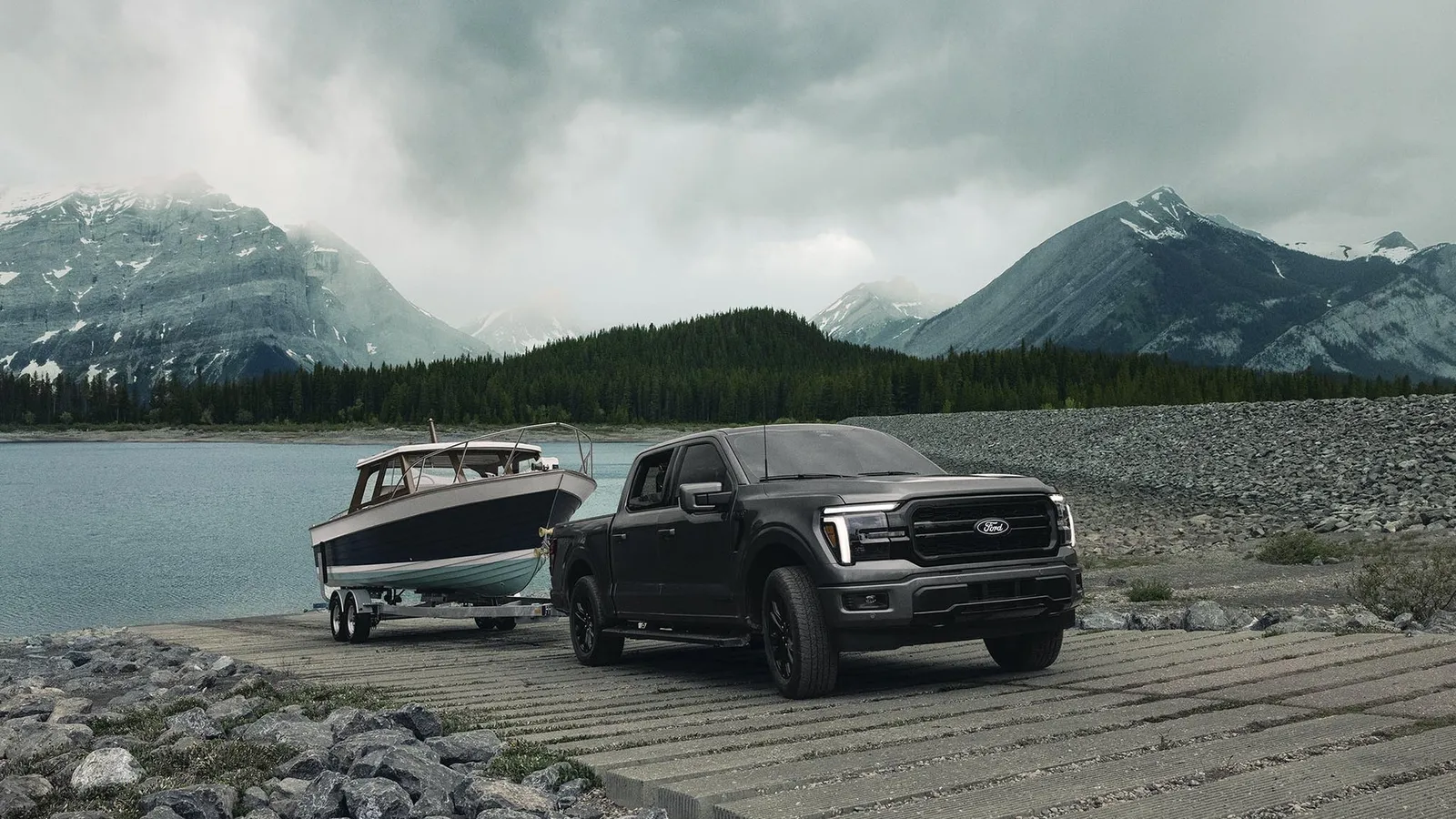
A skipped oil change rarely announces itself with a dramatic warning. More often, it starts quietly: a little more engine noise on the way to Tacoma, slower cold-weather starts in Sumner, or an engine working harder during a weekend drive around Bonney Lake. Regular oil changes are one of the simplest ways to protect the vehicle you rely on every day.
For drivers in Puyallup and across Pierce County, oil service is not just about checking a maintenance item off a list. It is preventive care that helps an engine handle wet winters, summer heat, stop-and-go traffic, towing, and the short trips that can be especially hard on motor oil.
What Oil Changes Actually Do
Engine oil has several jobs at once. It lubricates moving metal parts, helps control heat, carries away contaminants, and reduces the friction that causes wear. A fresh oil filter helps capture dirt and debris before they circulate through the engine.
Over time, heat and use cause oil to break down. It can become less effective at lubricating and protecting critical components. In a newer vehicle, that may mean giving up some of the long-term reliability built into the engine. In an older vehicle, delayed service can accelerate wear that is already developing.
This applies whether you drive a Ford F-150 for work, a Hyundai Santa Cruz for weekday errands and weekend projects, a Lincoln Aviator for family travel, or a used vehicle from another manufacturer. The right oil and service interval depend on the specific engine, model year, driving habits, and factory recommendations.
How Often Should You Schedule Oil Changes?
The old rule of changing oil every 3,000 miles is no longer a universal answer. Many modern engines using synthetic oil can go longer between services, often based on an oil-life monitoring system or the schedule in the owner's manual. Still, mileage alone does not tell the whole story.
Short trips around South Hill or downtown Puyallup may not let the engine reach and maintain its ideal operating temperature for long. Stop-and-go driving, frequent idling, heavy loads, towing, dusty conditions, and extreme temperatures can all place more demand on the oil. If your vehicle sees these conditions regularly, it may need service sooner than a vehicle that spends most of its time on steady highway drives.
The best approach is straightforward: follow the interval specified for your vehicle, pay attention to its maintenance reminder, and let a trained technician evaluate the oil's condition during routine visits. Waiting for the oil to look dark is not a reliable strategy. Modern oil can darken as it does its job of collecting contaminants.
Why Synthetic Oil Is Common in Newer Vehicles
Many late-model Ford, Hyundai, and Lincoln vehicles call for full synthetic or synthetic-blend oil. Synthetic oil is engineered to remain stable under higher temperatures and provide dependable flow during colder starts. That can be particularly useful during damp Pacific Northwest mornings, when an engine benefits from prompt lubrication.
Synthetic oil generally costs more upfront than conventional oil, but the price difference should be weighed against the required factory specification and the potential for longer recommended intervals. Using an oil that does not meet the manufacturer's requirements can affect engine protection and, for newer vehicles, may create warranty concerns. A service team can confirm the correct oil grade and specification for your VIN rather than relying on a one-size-fits-all assumption.
Signs Your Vehicle May Need Oil Service
A dashboard maintenance reminder is the clearest prompt, but it is not the only one. If you notice any of the following, schedule an inspection rather than assuming the issue will resolve on its own:
- An oil-change or low-oil warning appears on the dashboard.
- The engine sounds louder than usual, especially during startup or acceleration.
- You notice a burning-oil smell, smoke, or fresh oil spots where you park.
- The oil level is low when checked according to the owner's manual.
- Your vehicle is overdue based on time, even if it has not reached the expected mileage interval.
The low-oil-pressure warning deserves special attention. Unlike a standard maintenance reminder, it can indicate an immediate lubrication problem. Safely pull over, turn off the engine when appropriate, and seek professional guidance. Continuing to drive with low oil pressure can cause serious damage quickly.
Oil Changes Are Also a Checkup Opportunity
A quality oil service should be more than draining and refilling the engine. It is a practical time to inspect the vehicle systems that support safe, dependable driving. Technicians may check fluid levels, tire condition and pressure, brake wear, exterior lights, belts, hoses, and visible leaks. The exact inspection can vary by vehicle and service facility, but the goal is the same: catch small concerns before they become inconvenient repairs.
That matters for drivers who are deciding whether to keep a current vehicle, trade it in, or buy used. Consistent maintenance records help show that a vehicle has been cared for, and they can make ownership costs easier to plan. For someone comparing a new Ford Explorer with a pre-owned Lincoln SUV, or weighing the affordability of a used Hyundai, maintenance history is meaningful information.
Oil service also gives drivers a chance to ask questions that are easy to put off. Is the vehicle using more oil than before? Are the tires wearing evenly? Is that occasional brake noise normal? A trusted technician can separate ordinary maintenance needs from issues that deserve prompt attention.
Common Oil Change Missteps to Avoid
The most common mistake is stretching an interval because the vehicle still seems to run normally. Engines often continue operating well until the effects of neglected oil become more difficult and expensive to address. Calendar time matters, too. A vehicle driven only a few thousand miles a year may still need oil service because oil can collect moisture and contaminants.
Another misstep is choosing oil based only on price. The correct viscosity, such as 0W-20 or 5W-30, and the required manufacturer specification are designed for the engine. They are not interchangeable simply because both containers are labeled synthetic.
It is also wise not to overlook the filter. A new filter is part of a complete oil service because it supports clean oil circulation. Reusing an old filter or using a poor-quality replacement can undermine the benefit of fresh oil.
Finally, keep your service records. Whether you plan to drive your vehicle for many years or may eventually trade it in, records create a clear maintenance story. Digital records from a dealership can be especially convenient when service is completed consistently in one place.
A Simple Maintenance Habit With Long-Term Value
Oil changes will not prevent every mechanical issue, but they are among the most effective routine services for protecting an engine. They support efficiency, reliability, resale confidence, and the peace of mind that comes from knowing your vehicle has received the care it needs.
For busy households and commuters throughout Pierce County, convenience matters as much as expertise. Korum Automotive Group can help keep Ford, Hyundai, Lincoln, and many other vehicles on track with factory-trained service and a customer-first approach built around the idea that you break it, we fix it. When your maintenance reminder appears, schedule service, bring in your vehicle, and leave with a clearer picture of what it needs for the road ahead.
Frequently Asked Questions
How often should I change my oil if I mostly make short trips around Puyallup?
Short trips, stop and go traffic and cold starts count as severe service for many vehicles, so you may need oil changes sooner than the normal interval. Check the severe service schedule in your owner information and follow your oil life monitor. The service team at Korum Automotive Group can recommend an interval based on how you actually drive.
Can I bring a vehicle from another brand to Korum for an oil change?
Yes. Korum Automotive Group services Ford, Hyundai and Lincoln vehicles and many other makes. The technicians will use the oil grade and specification your manufacturer calls for and can check fluids, tires and brakes while the vehicle is in the shop. Schedule online or call ahead, and bring your recent service records if you have them.
Is synthetic oil required for my car?
Many late-model Ford, Hyundai and Lincoln engines call for full synthetic or synthetic blend oil that meets a specific manufacturer standard. Your owner manual lists the required grade and specification. Using the correct oil helps protect the engine and supports warranty coverage. If you are unsure, a service advisor can look up the requirement for your VIN.
Should I change my oil before winter in Western Washington?
If your vehicle is close to its next scheduled oil change, fall is a convenient time to have it done along with a battery test, wiper blade check and tire inspection. Fresh oil of the correct grade flows readily on cold mornings. For trips to the mountains, also confirm your coolant and washer fluid are rated for freezing temperatures.