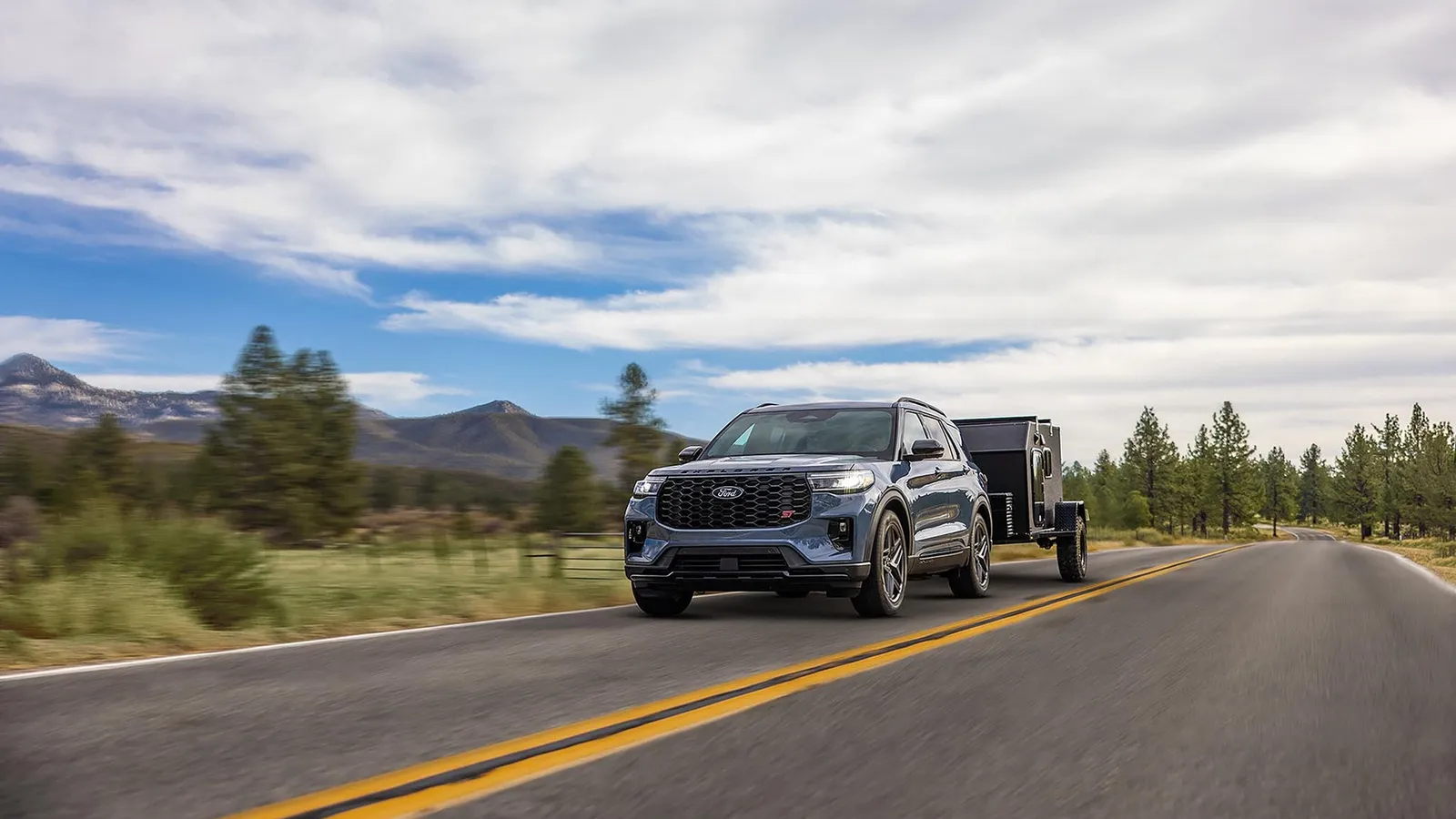
A Ford F-150 that tows through the Cascades needs different attention than an Escape handling school drop-offs in Puyallup, but neither benefits from waiting for a warning light. Consistent Ford maintenance is what keeps routine wear from becoming an unexpected repair, especially for drivers facing Pierce County rain, traffic, hills, and changing temperatures.
The most useful maintenance plan is not a one-size-fits-all calendar. Your Ford’s model, engine, mileage, driving habits, towing load, and service history all matter. Still, a few practical habits can help South Puget Sound drivers protect reliability, resale value, and day-to-day peace of mind.
Ford Maintenance Starts With Your Vehicle’s Schedule
Your owner’s manual and dashboard maintenance monitor should be the starting point for service decisions. Ford designs maintenance schedules around the specific powertrain and equipment in your vehicle, whether you drive a Bronco Sport, Explorer, Mustang Mach-E, Super Duty, or F-150.
For many drivers, oil and filter changes are the most familiar appointment. The right interval depends on the engine and oil specification, not just the mileage shown on a window sticker. Modern Ford vehicles can calculate oil life based on operating conditions, which is more useful than treating every commute the same. Short trips, stop-and-go Tacoma traffic, frequent idling, dusty roads, and heavy towing can all be harder on oil than steady highway driving.
At regular visits, a technician can also check fluid levels, tires, brakes, belts, hoses, lights, wiper blades, battery condition, and the condition of filters. These inspections matter because wear items rarely fail on a convenient schedule. Catching a thinning brake pad or weak battery early can be far easier than addressing a no-start situation on a wet morning.
Follow Time Intervals Too, Not Just Miles
Low-mileage vehicles still need attention. Oil ages, brake fluid absorbs moisture, tires can lose pressure, and batteries can weaken even when a vehicle spends more time in the garage than on the road. This is common for second vehicles, weekend trucks, and vehicles driven only for short local errands.
If you are unsure when service was last completed, a factory-trained technician can help establish a baseline. That is particularly worthwhile after purchasing a used Ford, since maintenance records may be incomplete or the previous owner’s driving conditions may have been very different from yours.
The Services That Matter Most Over Time
Routine maintenance is more than oil changes. As mileage builds, several systems deserve closer attention. The exact timing should follow your Ford schedule, but knowing why each item matters helps you make informed decisions.
Tire service affects safety, fuel economy, ride comfort, and handling. Rotate tires at recommended intervals to promote even wear, and check pressure regularly when temperatures shift. Potholes, curb contact, and rough road surfaces can affect alignment. If your Ford pulls to one side, the steering wheel sits off-center, or the tires show uneven wear, it is time for an inspection.
Brake service is equally important in Western Washington conditions. Rain does not automatically damage brakes, but frequent wet driving can make it easier to notice squealing, grinding, vibration, or reduced stopping confidence. Brake pads, rotors, and fluid should be evaluated based on condition, not guesswork. A vehicle used for towing, hauling, or descending mountain grades may need brake attention sooner than one used mostly for flat highway commuting.
Filters often have a quiet but meaningful impact. Engine air filters help protect the engine from dirt and debris, while cabin air filters support airflow through the heating and air-conditioning system. If the cabin has a musty odor, weak airflow, or more visible dust than usual, the cabin filter may be due for inspection.
Battery testing is especially smart before colder weather. A battery can appear fine until a chilly morning exposes a loss of capacity. Corroded terminals, slow cranking, dim lights, or repeated jump-starts are signs to schedule service rather than hope the issue goes away.
Seasonal Ford Maintenance for Western Washington
South Puget Sound weather does not always bring extreme cold, but it does create its own maintenance priorities. Long rainy stretches place extra value on tires, brakes, wipers, and exterior lighting. Good tire tread and correct inflation help channel water away from the tire, while clear headlights and taillights make your vehicle easier for others to see.
Before fall and winter, inspect wiper blades and top off washer fluid with a formula suited to colder temperatures. Worn wipers can smear rather than clear the windshield, which is more than an inconvenience during dark, rainy commutes between Sumner, Tacoma, and Federal Way.
Spring is a good time to check for damage from winter driving. Look for tire issues, underbody debris, weakened wiper blades, and overdue fluid services. Drivers who visit ski areas or travel mountain passes should also pay close attention to tire condition and brake performance. If you use chains, follow Ford’s fitment guidance for your particular vehicle and tire size.
Summer brings different demands. Towing a boat, camper, or utility trailer from Bonney Lake or South Hill can increase strain on the engine, transmission, cooling system, and brakes. Before a trip, verify tire pressure on both the vehicle and trailer, check fluids, inspect trailer connections, and make sure you are operating within your Ford’s towing ratings. The trade-off is simple: towing expands what your truck or SUV can do, but it also makes preventive service more valuable.
Warning Signs Worth Acting On Quickly
Not every sound or light means a major repair, but delaying diagnosis can turn a manageable concern into a larger one. Pay attention if you notice a check engine light, an oil-pressure or temperature warning, a change in braking feel, unusual vibration, burning smells, fluid spots under the vehicle, or difficulty starting.
A flashing check engine light calls for more urgency than a steady one because it can indicate an active condition that may damage emissions components. Likewise, overheating should never be treated as something to monitor until the next convenient appointment. Pull over safely, avoid opening a hot cooling system, and arrange for professional assistance.
Technology can also provide useful clues. Ford app alerts, dashboard messages, and maintenance reminders can help you stay ahead of scheduled needs. They are helpful tools, but they do not replace an inspection when the vehicle feels or sounds different.
Why Factory-Trained Service Can Make a Difference
Independent shops can be a sensible choice for some repairs, particularly when convenience or a specialty service is the priority. For factory-recommended maintenance, warranty-related concerns, recalls, and Ford-specific diagnostics, a dealership service department offers advantages worth considering. Factory-trained technicians work with Ford systems regularly, use manufacturer diagnostic equipment, and can access the correct maintenance information for your vehicle’s configuration.
Genuine Ford parts are designed to meet the vehicle’s specifications, which can matter for fit, function, and warranty coverage. That does not mean every repair has only one acceptable option. Your service advisor should explain what is recommended now, what can be monitored, and how each choice affects cost and vehicle performance.
For households comparing or owning multiple brands, convenience matters too. Korum Automotive Group gives Pierce County drivers one place to coordinate service for Ford, Hyundai, and Lincoln vehicles, which can make it easier to keep a family’s maintenance records and appointments on track.
Keep Records That Help You Later
Save service invoices and note major maintenance completed between visits. Clear records can support warranty discussions, help technicians understand the vehicle’s history, and make a used vehicle more appealing when it is time to sell or trade. This is particularly helpful for trucks and SUVs that have towed regularly, since buyers often want proof that the vehicle has been cared for.
If you recently bought a used Ford, schedule a thorough initial inspection even if it drives well. Establishing tire condition, brake wear, fluid status, battery health, and upcoming factory-recommended services gives you a practical plan instead of surprises.
A well-maintained Ford should support the way you actually live, whether that means weekday commutes, jobsite duty, weekend trailering, or family trips. Schedule service when your maintenance reminder appears or when something feels off, and give yourself the confidence of knowing the vehicle is ready for the next mile.
Frequently Asked Questions
How often should I rotate the tires on my Ford?
Follow the tire rotation interval in your owner information or the maintenance reminder in the Ford app, since it varies by model and tire type. Many owners pair rotations with oil changes so they are easy to remember. Rotating on schedule promotes even wear, which matters on wet Pierce County roads where tread depth helps clear water.
Do I need traction tires to drive over Snoqualmie Pass in winter?
When WSDOT posts traction tires required, passenger vehicles need approved traction tires with adequate tread, such as tires marked M+S or with the mountain snowflake symbol. When chains are required, rules depend on the vehicle and conditions. Studded tires are legal only during the winter season. Check WSDOT pass reports before every trip and carry chains that fit your tires.
Does servicing my Ford outside the dealer void the warranty?
No. Federal law lets you have routine maintenance done at any qualified shop without voiding your factory warranty, as long as the correct parts and fluids are used and you keep records. A Ford dealer service department can also check for open recalls during each visit and has access to Ford diagnostic equipment and service information for your exact vehicle.
Can Korum Automotive Group service Hyundai and Lincoln vehicles as well as Ford?
Yes. Korum Automotive Group in Puyallup sells and services Ford, Hyundai and Lincoln vehicles, so a household with more than one brand can keep maintenance records and appointments in one place. Schedule online, mention every concern when you book, and ask your advisor what upcoming factory maintenance is due on each vehicle.