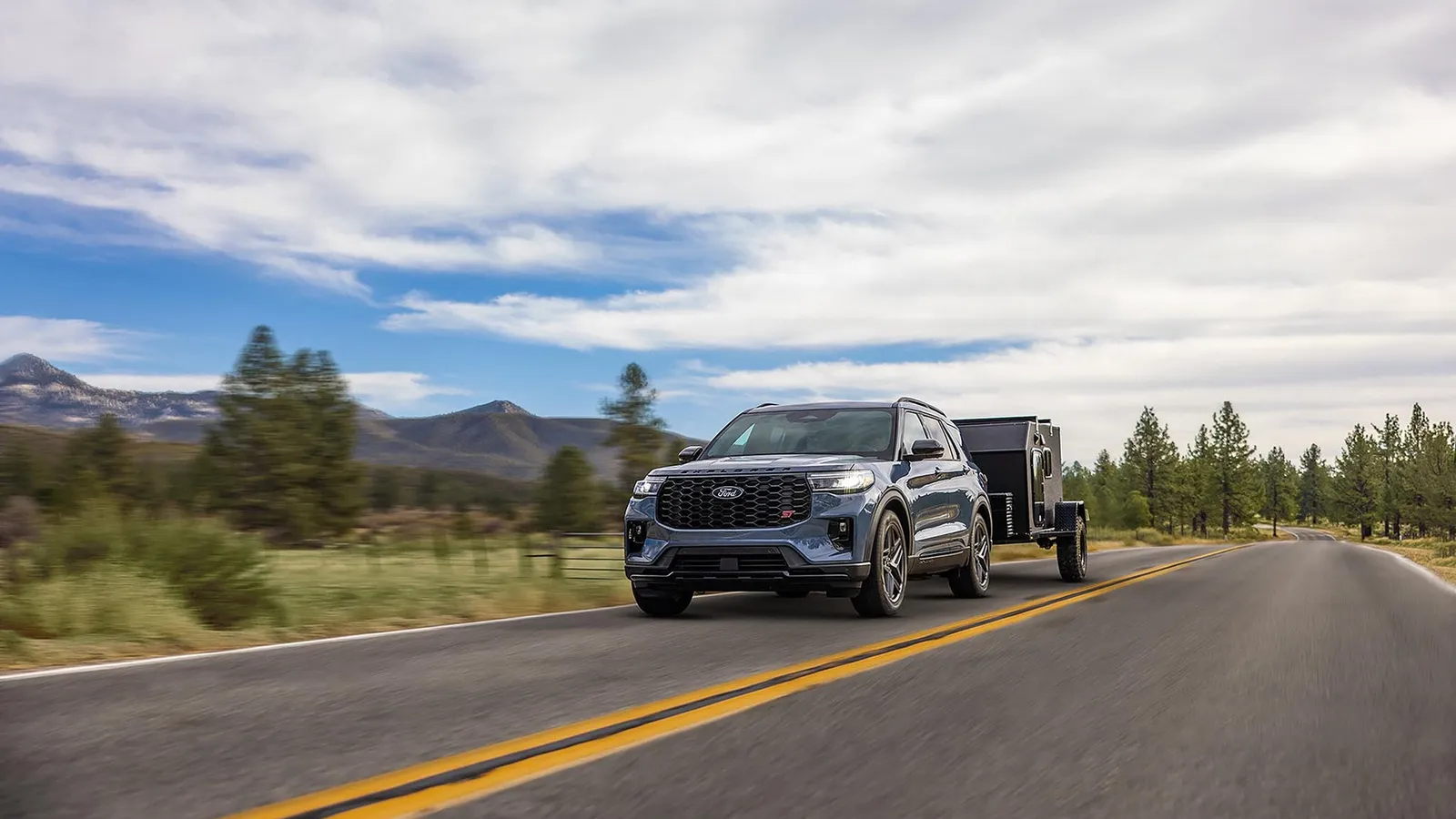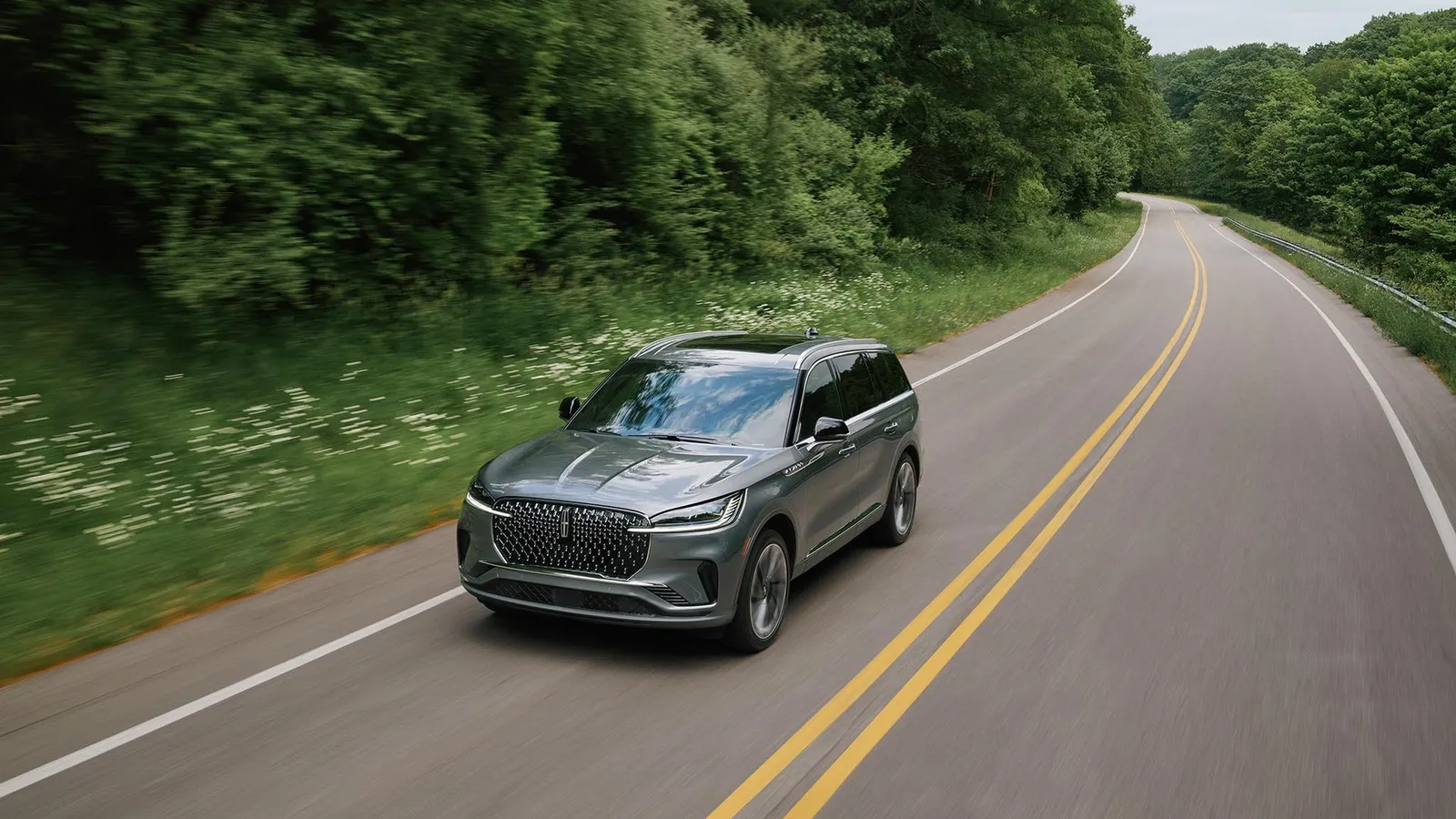
A vehicle can fit your driveway and still not fit your monthly budget. That is why car financing deserves the same attention as the test drive, whether you are comparing an F-150 with a Santa Cruz, considering a Lincoln Aviator, or shopping used vehicles for a first-time driver in Puyallup.
The right financing plan is not necessarily the one with the lowest advertised payment. It is the one that balances the vehicle you need, the cash you want to keep available, and a term you can comfortably manage through changing seasons, commutes, and family plans. For drivers across Tacoma, Sumner, South Hill, Bonney Lake, and the rest of Pierce County, a little preparation can make the buying process much more straightforward.
What car financing actually pays for
Car financing is a loan used to purchase a vehicle. A lender provides the funds, and you repay the amount borrowed plus interest over an agreed term, usually in monthly payments. The vehicle typically serves as collateral until the loan is paid off.
Your financed amount may include more than the vehicle's selling price. Sales tax, licensing, registration, optional protection products, and the remaining balance on a current loan can all affect the final amount. A down payment and trade-in value reduce what you need to borrow.
This is why two shoppers buying similarly priced vehicles may leave with very different payments. One may have a substantial trade equity position and a short loan term; another may be rolling in negative equity from a previous vehicle. Neither situation is automatically wrong, but both should be understood before paperwork is finalized.
The three numbers that shape your payment
Most financing conversations come back to the amount financed, the annual percentage rate, and the loan term. Looking at all three together gives you a more useful picture than focusing only on the monthly payment.
Amount financed
The amount financed starts with the vehicle price and changes based on taxes, fees, trade value, payoff amount, and down payment. If you have a trade-in, request both its appraised value and the payoff on its current loan. The difference between those figures is your equity.
Positive equity can lower the amount you borrow. Negative equity means you owe more than the vehicle is worth, and that difference may need to be paid separately or included in the new loan. Rolling it in can be practical in some circumstances, but it raises the cost of the next vehicle and deserves a careful discussion.
APR
APR is the annual cost of borrowing, expressed as a percentage. It is influenced by credit history, income, debt, loan length, vehicle age, down payment, and lender programs. A lower APR generally means less interest paid over the life of the loan.
Credit is not a simple pass-or-fail test. Strong credit can create more choices, but shoppers rebuilding credit may still have financing paths available. The best approach is honest information, a realistic budget, and clear answers about payment history and income. That allows the finance team to look for terms that fit your situation rather than making assumptions.
Loan term
A longer term usually reduces the monthly payment, which can make a new Ford, Hyundai, Lincoln, or used vehicle more accessible. The trade-off is that you may pay more interest overall and build equity more slowly.
A shorter term raises the monthly payment but can reduce total borrowing cost and help you own the vehicle outright sooner. There is no universal best term. A household putting significant miles on a vehicle every year may prioritize different terms than a buyer who plans to keep a vehicle for a decade.
New and used car financing: what changes?
New and used vehicles can both be smart choices, but financing differs in a few meaningful ways. New vehicles may qualify for manufacturer-supported offers, and their newer model year can sometimes result in lower lender rates. They also provide the latest safety, technology, and warranty coverage, which may matter if you depend on your vehicle for a long commute or frequent family travel.
Used vehicles can offer a lower purchase price and may allow you to choose a higher trim level or more capability within the same budget. A well-maintained used SUV, truck, or sedan can be an excellent value. However, rates can vary based on age and mileage, and some lenders have limits on how old a vehicle can be or how long the term can run.
Instead of beginning with “new or used,” begin with your priorities. Do you need towing capacity for weekend projects? Is fuel economy the bigger concern for a Tacoma commute? Are you looking for premium comfort, three rows, or a manageable first payment? Comparing the complete ownership picture - price, financing, fuel, insurance, maintenance, and expected length of ownership - is more useful than comparing window stickers alone.
How to prepare for car financing
A few steps before you visit can save time and make the numbers easier to evaluate. Start by setting a total monthly transportation budget, not just a vehicle payment target. Include insurance, fuel or charging, parking, routine maintenance, and any accessories you expect to add.
Next, estimate your trade-in's condition and check your current payoff amount if you have a loan. Bring a valid driver's license, proof of income, proof of residence, and insurance information if requested. Requirements vary by lender and buyer situation, but having documents ready helps keep the process moving.
It also helps to think about your down payment in terms of flexibility. A larger down payment can lower your loan balance and payment, but it should not drain the emergency savings you rely on for unexpected home, medical, or vehicle expenses. The right amount is one that improves your financing position without creating a new financial strain.
Questions worth asking before you sign
Clear questions lead to clearer decisions. Ask what the monthly payment will be, how many payments you will make, and how much you will pay in total over the life of the loan. Confirm the APR, whether there is a prepayment penalty, and what happens if you decide to pay extra toward principal.
Ask how each available term changes both the payment and the total interest. If a protection product is presented, ask what it covers, how long it lasts, whether it is optional, and how it fits your ownership plans. For example, a driver who expects to keep a vehicle long after the factory warranty may weigh coverage differently than someone who trades every few years.
You should also ask about the vehicle's warranty coverage and service needs. Financing is one part of the ownership experience. Convenient service support matters after the sale, especially when your schedule is already full of work, school, and weekend commitments.
Car financing for cross-brand shoppers
Cross-shopping brands is often the best way to find the right fit. A Ford F-150 may be the natural choice for a buyer who needs substantial towing and hauling capability, while a Hyundai Santa Cruz can appeal to someone who wants an open bed with easier everyday maneuverability. A Lincoln Aviator may suit a shopper focused on premium appointments and family space, while a Ford Explorer offers a different balance of capability, seating, and price.
The financing conversation should follow that comparison, not interrupt it. Review the out-the-door price, available terms, expected payment, and ownership costs for each vehicle you are seriously considering. A lower purchase price is helpful, but a better-equipped vehicle with stronger long-term fit can be the more sensible choice if the payment remains comfortable.
At Korum Automotive Group, shoppers can compare Ford, Hyundai, Lincoln, and used vehicle options in one place while working with a team focused on making the process convenient. That breadth can be especially useful when your shortlist spans more than one brand or body style.
A practical way to make your decision
When you are down to two or three vehicles, avoid deciding solely from the payment shown on a worksheet. Compare the vehicle price, cash down, trade equity, APR, term, and total amount paid. Then picture the vehicle in your real routine: school drop-offs in South Hill, work travel toward Federal Way, trips through Pierce County, and service appointments that need to fit around everything else.
Choose a payment that leaves room for life beyond the vehicle. A financing plan should support your mobility and confidence, not make every unexpected expense feel larger. When you are ready, review available new and used inventory, complete a financing application, and ask for a clear explanation of the options that fit your plans.
Frequently Asked Questions
Can I get car financing in Pierce County with less-than-perfect credit?
Often, yes. Lenders look at more than a credit score, including income, existing debt, down payment and the vehicle you choose. A larger down payment or a more affordable vehicle can improve your options. The finance team at Korum Automotive Group in Puyallup works with buyers across a range of credit situations and can explain which terms fit your budget.
What documents should I bring to apply for an auto loan in Puyallup?
Bring a valid driver license, recent proof of income such as pay stubs, proof of residence, and your current insurance information. If you are trading in a vehicle, bring the title or your lender payoff details and registration. Requirements vary by lender, so ask ahead of time which items apply to you and you can save time at the dealership.
Is a shorter or longer auto loan term better?
A shorter term means higher monthly payments but less total interest and faster equity. A longer term lowers the payment but costs more over the life of the loan and can leave you owing more than the vehicle is worth for longer. Compare the total amount paid for each option, not only the monthly figure, before you decide.
Can I apply for financing before I visit Korum Automotive Group?
Yes. You can complete a secure financing application online before your visit, which lets the finance team review options ahead of time. You can also use the payment calculator to test different down payments and terms. Arriving with a target payment and your trade details makes it easier to compare Ford, Hyundai, Lincoln and used vehicles side by side.