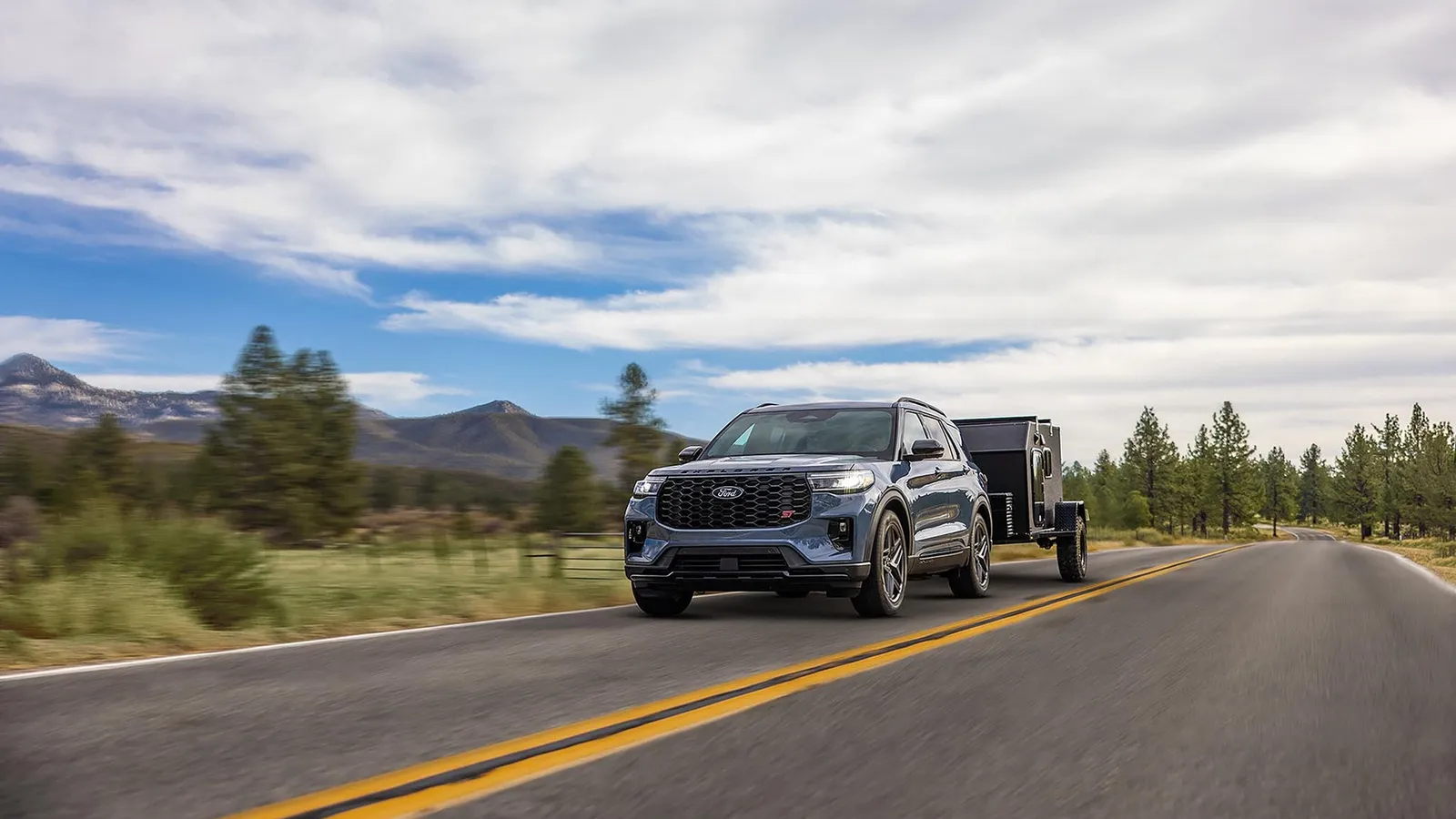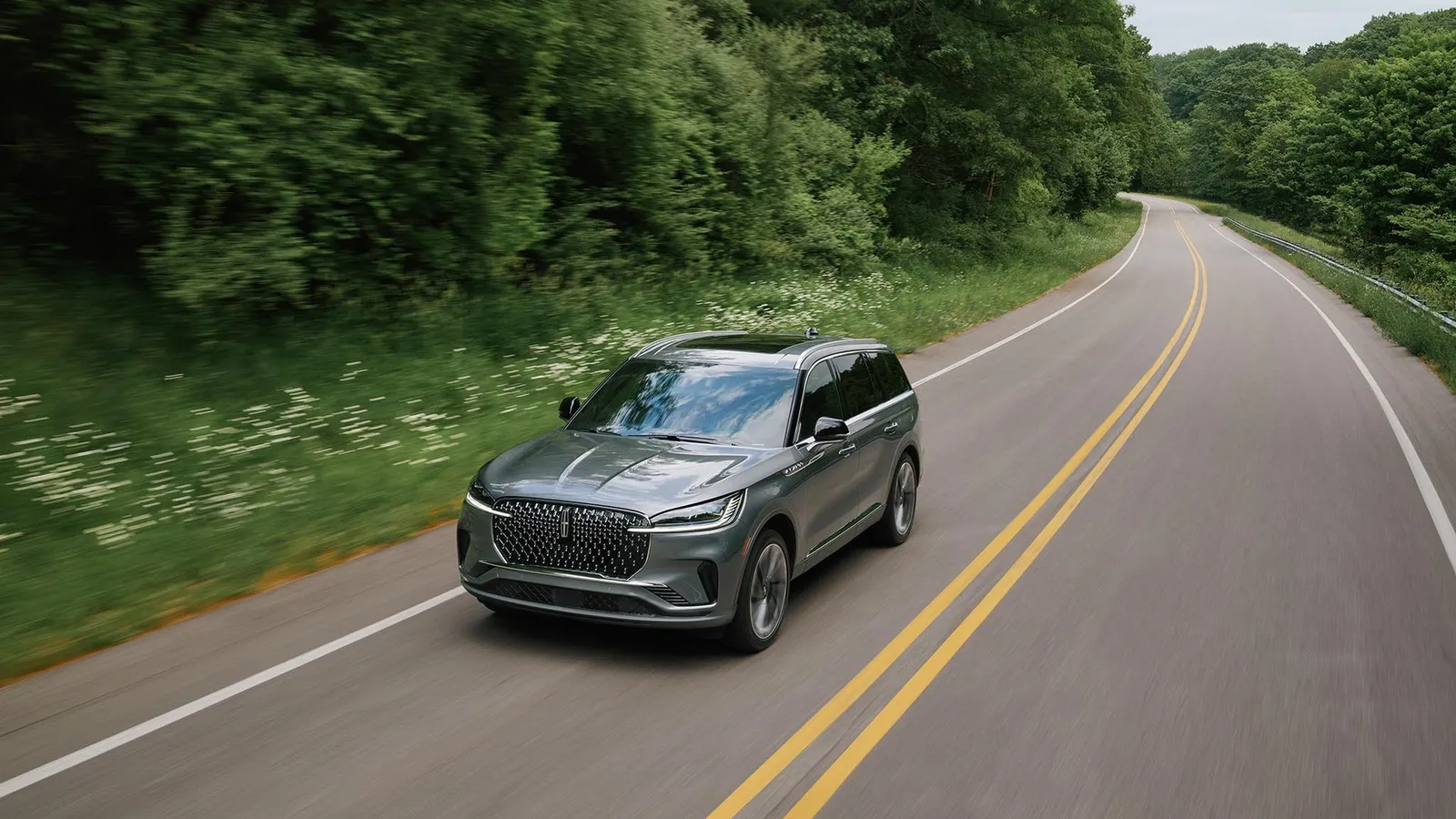
That SUV in your driveway may be the down payment on your next truck, family vehicle, or luxury upgrade. Before comparing a Ford F-150 with a Hyundai Santa Cruz or considering a Lincoln Aviator, take time to value your trade realistically. Knowing what your current vehicle is worth gives you a clearer picture of your budget and helps you focus on the vehicles that fit your needs.
For drivers around Puyallup, Tacoma, Sumner, Bonney Lake, and South Hill, a trade-in can simplify the buying process. Rather than arranging a private-party sale, handling messages from strangers, and waiting for payment, you can apply the vehicle's value toward your next purchase. The key is understanding how an appraisal works and what you can do before bringing your vehicle in.
What It Means to Value Your Trade
A trade-in value is the amount a dealership is prepared to offer for your current vehicle as part of another purchase. It is not always the same as a private-sale price. A private seller may be able to ask more because they have time to advertise, meet buyers, complete paperwork, and wait for the right offer. A dealership takes on the work of inspecting, reconditioning, marketing, and reselling the vehicle.
That difference does not make a trade offer less useful. For many shoppers, the convenience has real value. Trading in can reduce the amount you need to finance, keep the transaction in one place, and eliminate the uncertainty that can come with selling a vehicle on your own.
A fair appraisal reflects current market demand, the vehicle's condition, its history, mileage, equipment, and the cost required to prepare it for its next owner. Prices can also vary by season and by location. An all-wheel-drive SUV may draw stronger interest during wet Puget Sound months, while a clean truck with useful towing or bed features can appeal year-round in Pierce County.
What Affects Your Trade-In Appraisal?
No two vehicles are identical, even when they share the same year, make, model, and trim. An in-person appraisal looks beyond the basics to establish a number that fits the actual vehicle.
Condition tells a larger story
Normal wear is expected. Small rock chips, light scratches, and minor interior use do not automatically prevent a strong trade offer. Larger concerns can affect value more substantially, including collision damage, warning lights, mechanical problems, worn tires, cracked glass, smoke odor, or water damage.
Maintenance matters because it gives the appraiser a clearer picture of how the vehicle has been cared for. Keep service receipts if you have them, especially for major work such as brakes, tires, batteries, timing components, or recommended manufacturer maintenance. A vehicle with a documented history is easier to evaluate than one with unanswered questions.
Mileage, trim, and equipment matter
Mileage is one of the first details shoppers notice, but it is not the entire story. A higher-mileage vehicle that has been regularly serviced and is in excellent condition can compare favorably with a lower-mileage vehicle that needs significant work.
Trim level and factory equipment can also influence demand. Features such as four-wheel drive, all-wheel drive, leather seating, advanced safety technology, towing equipment, a panoramic roof, or a premium audio system may add appeal. The effect depends on the vehicle and the local market. Not every option returns its original cost, but desirable equipment can make a vehicle stand out.
Market demand changes over time
Used-vehicle values move with supply, buyer preferences, interest rates, fuel costs, and seasonal demand. A vehicle that was highly sought after six months ago may have a different value today. That is why online estimates are a helpful starting point, not a guaranteed offer.
A dealership also considers what similar vehicles are selling for in the region and what condition they are in. A practical commuter car may have broad appeal in Tacoma and Federal Way, while a capable pickup or SUV may be particularly attractive to drivers with work, recreation, or towing needs. The best valuation accounts for both the vehicle itself and the market it will enter.
How to Prepare Your Vehicle Before an Appraisal
You do not need to spend hundreds of dollars restoring a vehicle before trading it in. In fact, major repairs or cosmetic work do not always pay back dollar for dollar. Still, a few simple steps can help an appraiser see the vehicle clearly and may prevent avoidable deductions.
Start by removing personal belongings from the cabin, glove box, center console, trunk, cargo area, and door pockets. Bring both sets of keys if you have them, along with the owner's manual, wheel-lock key, charging cable for an electric or plug-in vehicle, and any accessories that came with the vehicle. Missing keys or specialized equipment can create replacement costs.
A basic wash and interior cleanup are worthwhile. This is not about disguising issues. It is about making the vehicle easier to inspect and showing that it has received ordinary care. Be straightforward about known concerns, including warning lights, accident history, financing balance, or repairs that may be needed. Clear information helps the appraisal move faster and avoids surprises later.
Before you visit, gather your vehicle registration, driver's license, title if the vehicle is paid off, and payoff information if you still have a loan. If there is a lien, the dealership can generally help coordinate the payoff as part of the transaction, but accurate lender details make the process smoother.
Trade Equity Can Change Your Next Payment
Your trade's value is only one side of the equation. If you owe money on the vehicle, your equity is the difference between its appraised value and your payoff amount.
Positive equity means the trade is worth more than you owe. That amount can be applied toward the down payment on another vehicle, lowering the amount financed. Negative equity means the payoff is higher than the trade value. Depending on your situation, you may choose to pay the difference, wait and pay down the loan further, or discuss whether rolling part of the balance into a new loan makes sense.
Rolling negative equity into another loan can be appropriate in some situations, but it raises the amount financed and may affect your monthly payment. It deserves a clear conversation, not a rushed decision. Ask to see the trade value, payoff amount, vehicle price, taxes and fees, available incentives, loan term, and total amount financed separately. A payment is important, but the full structure of the transaction matters more.
Compare the Full Offer, Not Just One Number
When shopping across new and used vehicles, it is easy to focus only on the trade figure. A strong offer on your current vehicle is valuable, but it should be viewed alongside the price of the vehicle you are purchasing, available financing terms, applicable incentives, and the condition and coverage of the next vehicle.
For example, a lower-priced used SUV may fit your budget better than a new model even if the new vehicle comes with a promotion. On the other hand, a new Ford, Hyundai, or Lincoln may offer warranty coverage, current safety features, or financing programs that make the overall numbers more appealing. The right answer depends on how long you plan to keep the vehicle, how much you drive, and which features you will use every day.
This is where one-stop shopping can make a difference. At Korum Automotive Group, drivers can compare vehicle types and brands in one place while discussing their trade, financing options, and future service needs. That can be especially helpful for households deciding between a truck, crossover, hybrid, luxury SUV, or a dependable used vehicle.
When Is the Right Time to Trade In?
There is no universal perfect time, but a few signs can help you decide. If your vehicle is reliable, has manageable mileage, and holds positive equity, you may have flexibility. If expensive maintenance is approaching, your warranty is ending, your needs have changed, or your loan balance is close to the vehicle's value, it may be worth reviewing your options.
Do not wait until a problem becomes urgent if you can avoid it. A sudden mechanical failure can limit your choices and make it harder to shop at your own pace. Planning ahead lets you compare inventory, review financing, and make a decision based on what works for your household rather than what is immediately available.
Bring your vehicle in for a professional appraisal before your next shopping trip gets too far along. With a clear trade value and a straightforward look at your budget, you can spend more time choosing the vehicle that feels right for every mile ahead.
Frequently Asked Questions
What should I bring to a trade-in appraisal in Puyallup?
Bring your registration, driver license, the title if the vehicle is paid off, or your lender name and payoff details if it is not. Include all keys, the owner manual, any charging cable and service records. Having everything ready helps the appraiser give you an accurate number and keeps the rest of the purchase moving quickly.
Can I trade in a vehicle that still has a loan?
Yes. The dealership can usually pay off your existing loan as part of the purchase. If the vehicle is worth more than you owe, the difference can go toward your next vehicle. If you owe more than it is worth, you can pay the difference, wait, or discuss whether rolling it into the new loan makes sense for you.
Can I sell my car to Korum Automotive Group without buying another one?
Korum Automotive Group buys vehicles from Pierce County drivers even when they are not purchasing, and you can start online with the sell your car page. An in-person appraisal confirms the final offer based on condition, mileage and market demand. Bring your title or payoff details so the paperwork can be completed in one visit.
Do repairs before trading in increase my trade value?
Usually not dollar for dollar. Major mechanical or cosmetic repairs often cost more than they add to an appraisal. A good cleaning, removing personal items and bringing every key and accessory make more sense. Be upfront about known issues so the appraisal is accurate and there are no surprises later in the deal.