A used vehicle can look spotless under dealership lights and still deserve a closer look. Knowing how to inspect used cars gives Pierce County shoppers a better way to compare choices, ask useful questions, and feel confident before signing paperwork. Whether you are considering a family SUV for South Hill, a pickup for weekend work around Sumner, or a commuter for Tacoma, a careful inspection should go beyond the paint color and monthly payment.
Start With the Vehicle History and Paperwork
Before focusing on cosmetic details, ask for the vehicle history report and service records. A clean history does not guarantee a perfect vehicle, but it can reveal major items that affect value and future ownership, such as reported accidents, title concerns, repeated ownership changes, or mileage inconsistencies.
Service records provide a different kind of reassurance. Regular oil changes, tire rotations, brake service, and recommended maintenance suggest that a previous owner treated the vehicle responsibly. Missing records are not always a reason to walk away, especially on an older vehicle, but they may mean budgeting for an earlier inspection or maintenance visit after purchase.
Confirm that the vehicle identification number matches the paperwork and the VIN plate on the vehicle. Check the odometer reading against the history report, and ask whether any open recalls apply. A dealer can help explain recall status and available repair options.
How to Inspect Used Cars on the Outside
Walk around the vehicle slowly in daylight if possible. Stand a few feet back from each corner, then look down the sides at an angle. This makes it easier to spot uneven body panels, rippling in the paint, overspray on trim, or mismatched shades that can point to previous repairs.
A repaired vehicle is not automatically a bad purchase. Many collision repairs are completed properly. The question is whether the repair was professional, whether the vehicle has been evaluated appropriately, and whether its condition and price match its history.
Look closely at the following areas:
- Tires: Check for even tread wear across each tire. Wear concentrated on one edge can suggest alignment, suspension, or inflation issues. Tires with low tread may need replacement soon, which should factor into the price.
- Glass and lights: Inspect the windshield for cracks or chips, and make sure headlights, taillights, turn signals, and brake lights are intact and free of moisture.
- Doors, hood, and liftgate: Open and close each one. They should latch securely without excessive force, sagging, or unusual noises.
- Underbody: Look underneath for fresh fluid drips, heavy rust, bent components, or damaged protective panels. Surface rust can be common in wet Washington conditions, but deep corrosion deserves a professional opinion.
Also check the condition of the spare tire, if equipped, along with the jack and related tools. These details are easy to overlook until they are needed on the side of the road.
Check the Interior Before the Test Drive
Inside, start with the smell. A mild scent from cleaning products is normal, but a strong musty odor can suggest water intrusion. Lift floor mats, inspect carpeting near the doors and cargo area, and look under the seats for dampness, corrosion, or signs of past flooding.
Turn the key or press the start button and watch the instrument panel. Warning lights should illuminate briefly during startup, then turn off. If a check-engine, airbag, brake, or battery warning light stays on, ask why before moving forward.
Test the features you expect to use every day. Try the climate controls at different fan speeds and temperatures, the power windows and locks, mirrors, seat adjustments, backup camera, infotainment screen, USB ports, and audio system. If you are shopping for a family vehicle, check access to the second and third rows and make sure car seats can fit where you need them.
Wear on the steering wheel, pedals, driver seat, and switchgear should generally make sense for the vehicle's reported mileage. Heavy wear on a low-mileage vehicle is not proof of a problem, but it is worth asking about.
Take a Purposeful Test Drive
A test drive should feel more like an evaluation than a quick lap around the block. Give yourself enough time to drive on neighborhood streets, a road with a few turns, and a highway or freeway when practical. Around Puyallup, that may mean testing acceleration and road noise on a route that includes both local streets and higher-speed traffic.
Start with the basics. The engine should start without extended cranking, excessive vibration, or smoke. Let the vehicle idle for a moment with the radio off. Listen for tapping, knocking, squealing, or a rough idle.
As you drive, pay attention to how the vehicle accelerates, shifts, turns, and stops. A smooth transmission should not hesitate, slam into gear, or flare unexpectedly. The steering wheel should feel stable and should not pull strongly to one side. On a straight stretch of road, briefly loosen your grip while staying attentive to see whether the vehicle tracks straight.
Test the brakes gradually in a safe area. The pedal should feel firm, and the vehicle should stop without pulling, shuddering, or grinding noises. A slight vibration may indicate brake rotor wear, while a soft pedal could require more immediate attention.
Use a few different road surfaces if you can. Bumps, potholes, and uneven pavement can expose suspension clunks or rattles that a smooth road hides. Turn off the radio for part of the drive and listen carefully. You are not expecting absolute silence from every used vehicle, particularly an older truck or SUV, but unfamiliar noises should be explained.
Look Under the Hood, With Reasonable Expectations
You do not need to be a technician to make a useful under-hood check. With the engine off and cool, look for cracked hoses, corrosion around the battery, loose components, or obvious fluid leaks. Engine oil should be at an appropriate level and should not appear milky or unusually gritty. Coolant should be clean and at the proper level in the reservoir.
Do not remove caps from a hot engine, and do not assume every dirty engine bay is a problem. Some owners avoid engine detailing, while others clean thoroughly before selling. What matters is whether fluid levels, maintenance records, diagnostic results, and the way the vehicle drives tell a consistent story.
For a hybrid, plug-in hybrid, or electric vehicle, ask about battery warranty coverage, charging equipment, and charging history. For trucks and SUVs, ask whether the vehicle has been used for towing, whether it has an integrated brake controller, and whether it has aftermarket modifications. Those details can affect wear, capability, insurance, and future service needs.
Get an Independent Perspective When It Makes Sense
A pre-purchase inspection can be a smart step, especially for an older vehicle, a high-mileage vehicle, a private-party sale, or a model with an unfamiliar service history. A qualified technician can inspect components that are difficult to evaluate during a walkaround, including the suspension, brakes, engine systems, drivetrain, and signs of prior structural damage.
Even when buying from a dealership, ask what inspection or reconditioning has been completed and whether any current concerns were identified. A transparent conversation matters. You should understand the vehicle's condition, available warranty options, and what maintenance may be due in the near future.
This is also the right time to separate necessary repairs from normal used-car wear. No used vehicle will be identical to a new one. A small rock chip or light seat wear may be reasonable at the right price, while an unresolved warning light or unsafe tire condition is a different conversation.
Compare the Total Cost, Not Just the Sticker Price
Once a vehicle passes your inspection, consider the full ownership picture. Include insurance, fuel or charging costs, expected maintenance, registration, taxes, and any accessories you need. A lower-priced vehicle with worn tires and overdue brakes can cost more than a slightly higher-priced option that is ready for daily driving.
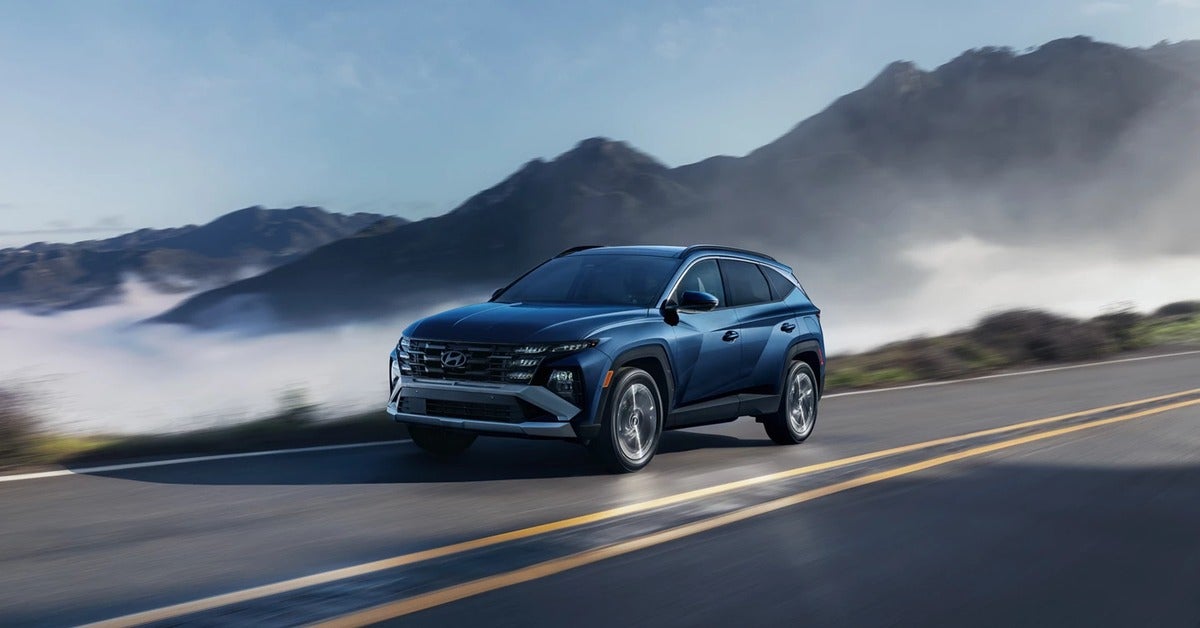
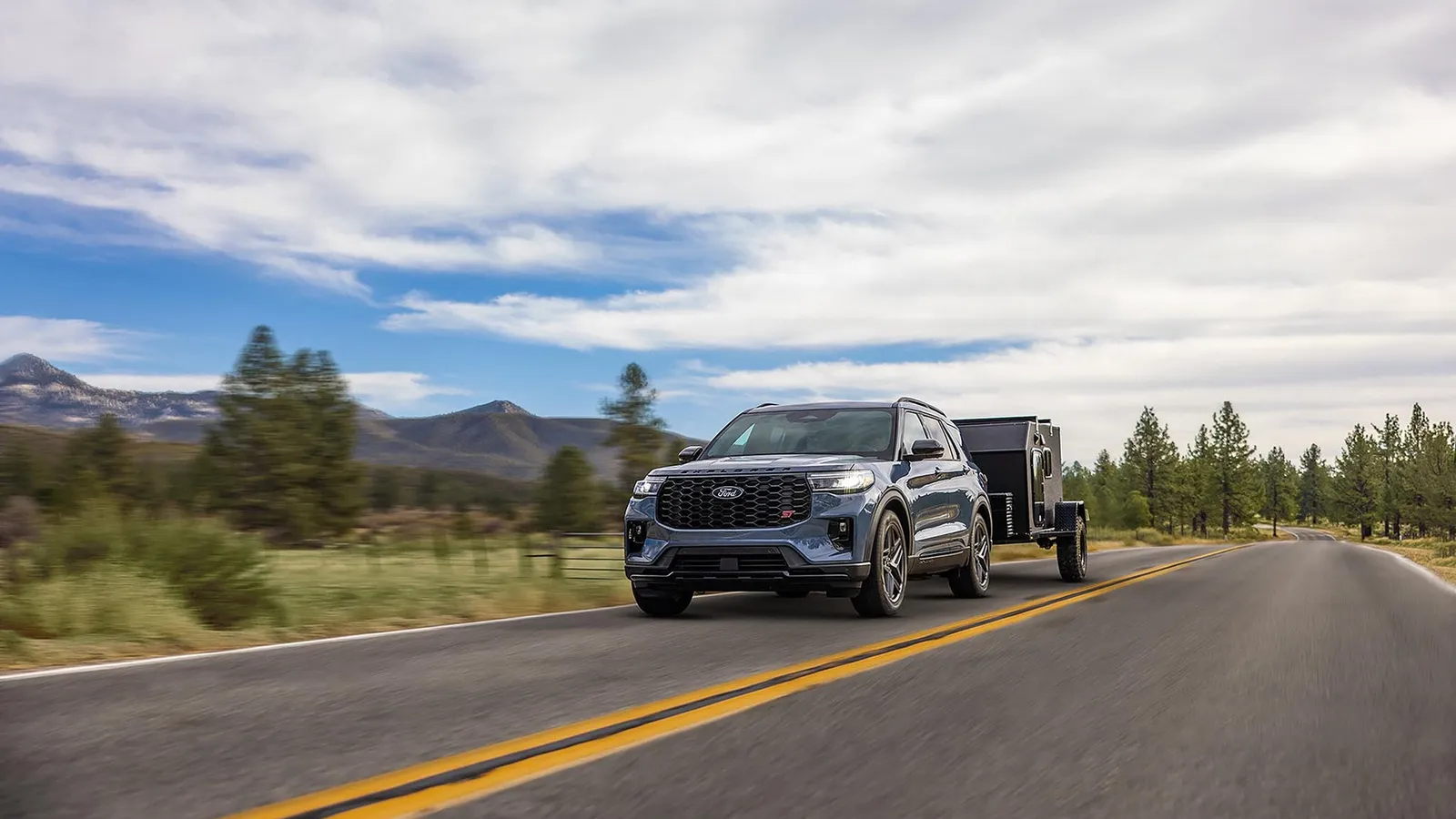
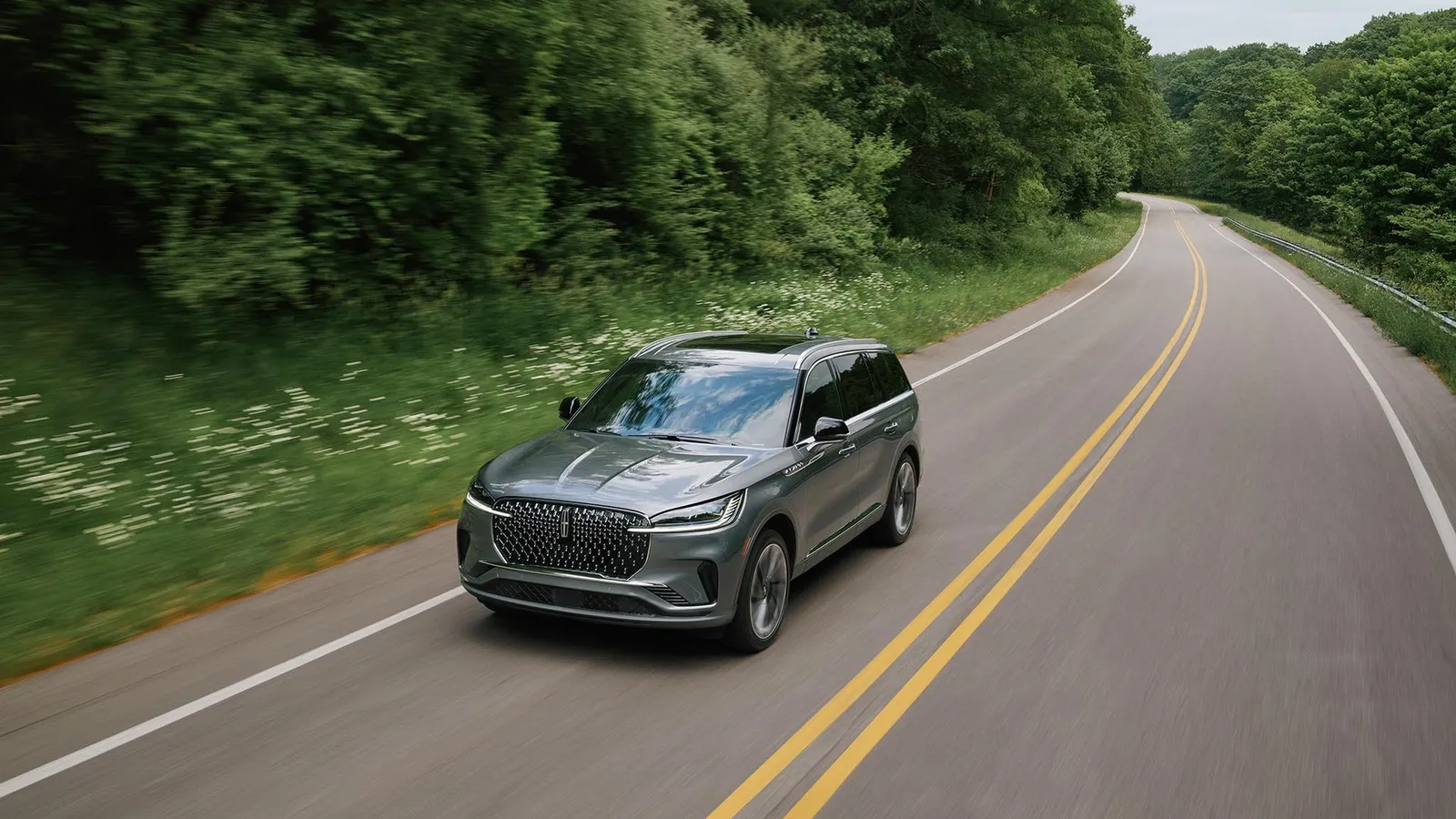
It also helps to compare similar vehicles across brands and body styles. A Ford F-150 may make sense for frequent towing or jobsite needs, while a Hyundai Santa Cruz can suit drivers who want open-bed utility with easier everyday maneuverability. An Explorer and a Lincoln Aviator may share practical strengths, yet offer different levels of comfort, features, and ownership costs. The best choice depends on how you drive, who rides with you, and what you want from the vehicle over the next several years.
When you are ready to move forward, Korum Automotive Group can help you compare used options, discuss financing, and arrange service support after the sale. Bring your questions, take the time you need behind the wheel, and choose the vehicle that makes your daily drive around South Puget Sound feel easier from the first mile.
Frequently Asked Questions
What should I check on a used hybrid or electric vehicle?
Ask about remaining battery warranty coverage, charging equipment, charging history and any battery health report the dealer can provide. On the test drive, watch how the vehicle transitions between electric and gas power or how quickly the estimated range drops. Make sure the charging port, cable and onboard charger work before you sign.
Is surface rust normal on used cars in Washington?
Light surface rust on exhaust parts, brake rotors and some underbody hardware is common in wet Western Washington. Deep corrosion on the frame, brake lines, suspension mounts or rocker panels is a different matter and deserves a professional opinion. Vehicles that spent time in snowy regions with road salt can show more corrosion, so check the history report.
Should I get an independent inspection when buying from a dealership?
You can, and it is reasonable to ask. Start by asking what inspection and reconditioning the dealer completed and whether any concerns were found. For an older or high-mileage vehicle, a second opinion from a qualified technician can add peace of mind. A certified pre-owned vehicle includes a manufacturer inspection and added coverage.
How do I check whether a used vehicle has open recalls?
Enter the 17-character VIN on the NHTSA recall lookup or the manufacturer owner site to see any open safety recalls. Safety recall repairs are performed at no charge by an authorized dealer for that brand. Korum Automotive Group can check recall status on Ford, Hyundai and Lincoln vehicles and schedule any needed repairs.