Korum Automotive Group

Blog

How to Calculate Car Payments Before You Buy

How to Calculate Car Payments Before You Buy

The monthly payment on a vehicle can look manageable until taxes, registration, a trade-in balance, and loan interest enter the picture. Learning how to calculate car payments before you visit a showroom gives you a clearer way to compare vehicles, whether you are weighing a Ford F-150 against a Hyundai Santa Cruz or considering a new Lincoln SUV versus a pre-owned option.

A payment is not determined by the vehicle’s sticker price alone. It is based on the amount you finance, your annual percentage rate (APR), and the number of months in your loan. Once you understand those pieces, you can shop with a realistic budget and ask better questions about the options in front of you.

The numbers that determine your car payment

Start with the out-the-door price, not just the advertised vehicle price. The out-the-door figure includes the agreed-upon price of the vehicle, sales tax, title and licensing charges, documentation fees, and any accessories or protection products you decide to purchase. Taxes and registration costs can vary by location, so shoppers in Puyallup, Tacoma, Sumner, and nearby Pierce County communities should use local estimates rather than a generic online figure.

From that total, subtract your cash down payment and the equity in your trade-in. What remains is your loan amount, also called the amount financed.

Trade equity deserves a close look. If your current vehicle is worth $12,000 and you owe $8,000, you have $4,000 in positive equity to apply toward the next vehicle. If you owe $14,000 on that same vehicle, you have $2,000 in negative equity. That shortfall may be rolled into the new loan, increasing both the payment and the total interest you pay.

Your APR is the cost of borrowing expressed as a yearly percentage. It is influenced by your credit profile, loan term, lender programs, the vehicle’s age, and sometimes whether the vehicle is new or used. Finally, the loan term is the number of months you will make payments. Common terms include 36, 48, 60, 72, and 84 months.

How to calculate car payments with the loan formula

The standard auto-loan formula is:

Monthly payment = P × [r(1 + r)^n] / [(1 + r)^n - 1]

In that formula, P is the amount financed, r is your monthly interest rate, and n is the number of monthly payments. To find the monthly rate, divide your APR by 12 and convert it to a decimal. For example, a 6.5% APR becomes 0.065 annually, then about 0.005417 per month.

You do not need to calculate this by hand every time. An auto payment calculator can do the math quickly. The value of knowing the formula is understanding what changes the result: finance more money, choose a higher APR, or add months to the term, and your payment changes.

A practical example

Suppose you choose a vehicle priced at $36,000. After estimated taxes and fees, the out-the-door cost is $39,900. You put $4,000 down and have $3,000 in positive trade equity.

Your amount financed would be:

$39,900 - $4,000 - $3,000 = $32,900

At 6.5% APR for 60 months, the estimated monthly payment is about $644. Over five years, you would pay roughly $38,620 in total, including about $5,720 in interest.

If you choose 72 months at the same rate, the estimated payment drops to about $553 per month. That lower payment may help your monthly cash flow, but you would pay for an extra year and spend roughly $1,200 more in interest overall. Neither choice is automatically right. The better term depends on how long you expect to keep the vehicle, how much room you want in your monthly budget, and how quickly you want to build equity.

Estimate the payment before choosing the vehicle

A useful approach is to set a target monthly payment first, then work backward to a vehicle budget. This can prevent a common shopping mistake: falling in love with a vehicle based on its sale price before accounting for financing and ownership costs.

For example, two similarly priced vehicles may produce different payments if one qualifies for a lower promotional APR or if one is a late-model used vehicle with a different lender rate. A new Ford Explorer, a pre-owned Lincoln Aviator, and a Hyundai Santa Fe may all fit different needs, but the most comfortable financial choice depends on the complete financing picture, not the badge on the grille.

When comparing payment estimates, use the same assumptions for each vehicle whenever possible. Keep the down payment, trade value, and loan term consistent. Then adjust only the vehicle price, estimated taxes and fees, and realistic APR. That makes the comparison more useful than looking at payment advertisements with different terms or large cash-down requirements.

What a lower monthly payment can hide

A low payment is appealing, especially when you are balancing housing, family, and commuting expenses around South Puget Sound. Still, it should not be the only number you review.

A longer loan term can reduce the payment while increasing total interest. It can also leave you owing more than the vehicle is worth for longer, particularly if you drive many miles or put little money down. This matters if you expect to trade again in a few years.

Putting more money down reduces the amount financed and usually lowers the payment. However, draining your emergency savings to make a larger down payment is rarely a comfortable trade-off. Many buyers prefer to keep a financial cushion and select a vehicle price and term that fit without stretching their cash reserves.

Be careful when comparing leases and purchases, too. Lease payments are calculated differently and may look lower because you are paying for expected depreciation during the lease, not the full vehicle price. Mileage limits, wear charges, and end-of-lease choices can make leasing a good fit for some drivers and a poor fit for others.

Include costs beyond the loan payment

Your auto loan is only one part of what it costs to own a vehicle. Before settling on a target payment, leave room in your budget for insurance, fuel or charging, maintenance, repairs outside warranty coverage, and annual tabs.

A truck configured for towing, a family SUV with three rows, and a luxury vehicle with premium features can have very different insurance and operating costs. Newer vehicles may offer warranty coverage and updated safety technology, while used vehicles can provide more equipment for the purchase price. The right balance depends on your priorities, expected mileage, and how long you plan to own it.

For a clearer monthly budget, add your estimated insurance premium, fuel cost, and a maintenance reserve to the loan payment. A $550 payment is not truly a $550 transportation cost if insurance and fuel add several hundred dollars more each month.

Questions to ask when reviewing a payment quote

A clear payment quote should make it easy to see the numbers behind it. Ask for the vehicle selling price, estimated out-the-door price, APR, loan term, down payment, trade-in allowance, trade payoff, and total amount financed. You should also know whether any rebates, lender incentives, or optional products are included in the estimate.

If a payment is lower than expected, ask what assumption created the difference. It may be a longer term, more money down, a conditional rebate, or an estimated trade value. There is nothing wrong with any of those variables when they match your situation. The goal is simply to make sure there are no surprises.

A financing conversation should feel straightforward, whether you are shopping for a work-ready Ford, an efficient Hyundai, or a refined Lincoln. Korum Automotive Group can help you compare new and used choices, review trade value, and discuss financing terms in one place. When you are ready, browse the available inventory, gather your trade and down-payment details, and apply for financing with a payment range that supports the way you actually drive and live.

Frequently Asked Questions

Should I include tax and registration in my car payment estimate?

Yes. Washington sales tax, title and registration fees, and dealer documentation fees can add meaningfully to the out-the-door price, and they are often financed along with the vehicle. Ask for an out-the-door figure for your address before you run the numbers. Using that total instead of the advertised price gives you a far more accurate monthly estimate.

What loan term makes the most sense for a car purchase?

The best term balances a comfortable payment with total interest. Shorter terms cost less overall and build equity faster, while longer terms lower the payment but add interest and can leave you owing more than the vehicle is worth. Many buyers pick the shortest term whose payment still leaves room for insurance, fuel and maintenance.

How does a larger down payment change my monthly payment?

Every dollar you put down reduces the amount financed, which lowers both the monthly payment and the interest you pay over the loan. A larger down payment can also help you qualify for better terms and protect against negative equity. Keep enough savings for emergencies, though, rather than putting every available dollar toward the vehicle.

Can I estimate my payment online before visiting Korum Automotive Group?

Yes. The Korum website has a payment calculator and a buying power tool you can use to test different prices, down payments and terms, plus a secure online financing application. Running a few scenarios at home makes it easier to compare a Ford, Hyundai or Lincoln when you visit the Puyallup dealership.
Recommended Posts

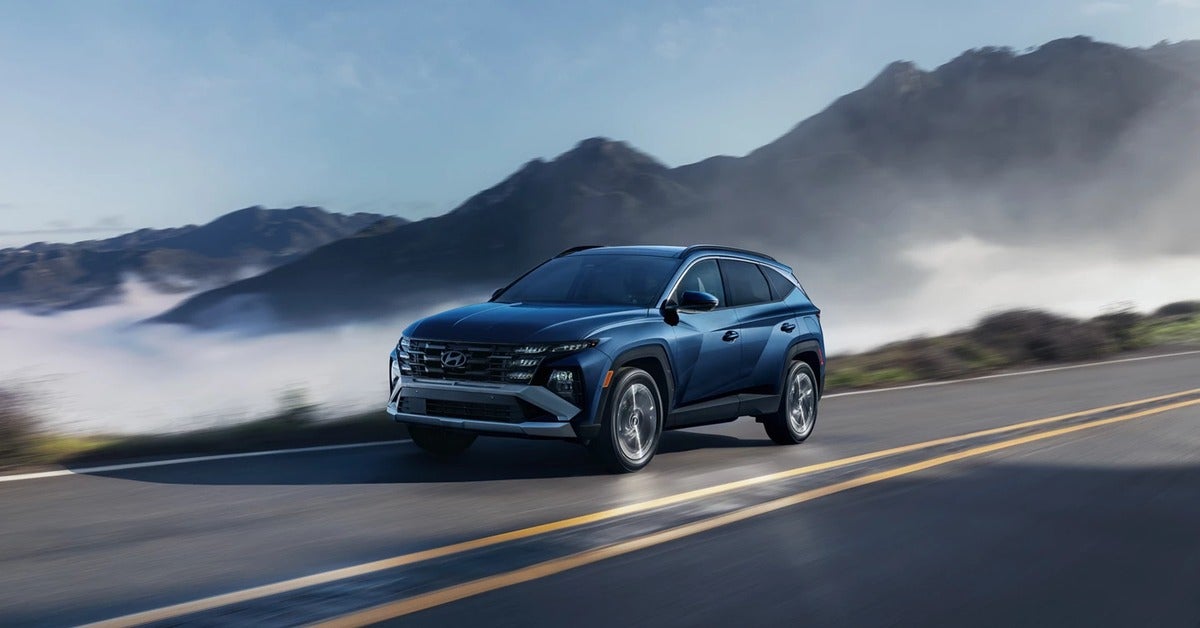
Blue Hyundai Tucson driving on a mountain road with low clouds, exterior view

How to Shop Used Cars at Korum's Puyallup Pre-Owned Center

By Korum Automotive Team · Published October 31, 2026 Shopping for used cars can feel like a guessing game, but it gets easier when you know how a dealer group sorts its inventory. Korum Automotive in Puyallup sells new Ford, Hyundai and Lincoln models, and it also runs a separate Pre-Owned store that carries used vehicles of many makes. This guide walks you through how that setup works, what the factory certified programs mean and how to shop with confidence before you ever step onto the lot. How Korum's Used Inventory Is Organized Korum has four sales locations in Puyallup. Korum Ford is at 100 River Road, Korum Hyundai is at 111 River Road and Korum Lincoln is at 150 River Road. Korum Pre-Owned has its own lot at 711 North Meridian. All four share one main sales line, so one call can reach any of them. The group says it serves the Sumner, Tacoma, Auburn and South Hill area, so most shoppers in the South Sound are a short drive away. The Pre-Owned store is the place to start if you are open to more than one brand. Trade-ins arrive at a dealer group from all kinds of owners, so a used lot can hold a Ford pickup next to a Japanese sedan and a Korean crossover. Korum says it offers a large selection of used vehicles across many makes, models and budgets. That variety is the main reason to shop a group instead of a single brand store. You can line up very different vehicles side by side on the same afternoon. Why brand stores still matter for used shoppers Each brand store focuses on its own badge, and that is where factory certified vehicles get inspected by technicians trained on that brand. If you already know you want a certified Ford, Hyundai or Lincoln, ask which location holds the vehicle you found online. The listing usually tells you, and a quick call saves you a trip to the wrong building. Certified, Brand Used and Everything Else Used vehicles at a franchise group fall into a few broad groups. Knowing which group a car belongs to tells you how it was inspected and what coverage comes with it. Factory certified. These vehicles meet a manufacturer's age and mileage rules and pass that brand's inspection. Ford says its Gold Certified vehicles must be no more than 6 years old with less than 80,000 miles and must pass a 172-point inspection. Hyundai lists a 173-point inspection for its Certified Used Vehicles. Lincoln's Signature tier uses a 200-point inspection. Other used vehicles. Cars that fall outside a factory program, or that are a different brand, are sold as regular used vehicles. They can still be great buys. You just need to do a little more homework on condition and history. Older or higher mileage vehicles. These often make sense for a first car, a second commuter or a work truck. Budget for maintenance and ask what the dealer has already serviced. Certified coverage terms vary by brand and tier, so read the paperwork for the exact vehicle. The salesperson can show you the certification checklist that was completed for that car. When certified is worth it Certified vehicles tend to be newer and lower in mileage, and they come with factory backed coverage that a regular used car does not. That matters most if you plan to keep the vehicle for many years, if you drive a lot of miles or if you simply want fewer surprises. A certified car also has a documented inspection, which gives you a written record of what was checked. A regular used car can make more sense if you want an older model, a different brand or a vehicle with higher miles that still has life left. In that case, put more weight on the history report, service records and your own test drive. Some shoppers also pay an independent mechanic for a pre-purchase inspection, which you can ask about before you commit. Start Your Search for Used Cars Online Most shoppers now narrow the field from home. Korum's used inventory search lets you filter by make, model, body style, mileage and features. Here is a simple routine that keeps the search focused. Pick a body style first. Decide between a sedan, SUV, truck or minivan before you look at brands. It cuts the list fast. Set a mileage ceiling. Lower miles usually mean more years of life left, but a well kept higher mileage vehicle can still be a smart choice. Check the photos closely. Look at the seats, steering wheel and tires. Wear in those spots tells you how the car was used. Save three to five favorites. A short list makes the visit efficient and gives you backups if one sells. Read the vehicle details. Look for the certified badge, the trim name and listed options so you compare like with like. Reading a listing carefully Two vehicles with the same model name can be very different. Trim level decides the engine, the drive system and much of the equipment. Compare the trim names on your short list, then check the feature list for the items you care about most, such as heated seats, a power liftgate or a backup camera. If a feature is not listed, ask before you drive over to see it. Korum's site says you can find a vehicle on its website and choose whether to complete the whole process online without interacting with a team member, or have one of its used car specialists walk you through the details of the vehicle. If you like to see a car in person first, you can still do most of the research at home and come in only for the test drive and paperwork. Plan Your Budget Without the Guesswork The sticker on a used car is only one part of what you will spend. Think about the full cost of owning the vehicle for the next few years. Fuel Fuel use varies a lot between a compact sedan and a full size truck. The federal site fueleconomy.gov lists ratings for vehicles from 1984 through the current model year, so you can check any used car on your list. Compare the combined rating of each finalist and think about how many miles you drive each week. Insurance Call your insurance agent with the VINs of your top choices. Rates can vary a lot between models with similar sticker prices, and it is better to know before you sign. Maintenance and tires Ask when the tires, brakes and battery were last replaced. A car that needs tires soon will cost more in its first year than one that just got them. Service records, if the previous owner kept them, are worth reading line by line. Korum says its Service and Parts Departments offer extended hours, which can make it easier to fit a pre-delivery check or a first oil change around your workday. Financing If you plan to finance, get pre-qualified so you know your range before you shop. Korum offers an online finance application, and the finance team can explain your options in plain terms. Keep the conversation focused on the total amount you will pay over the loan, not just the payment. Your current car Many used car shoppers have a vehicle to replace. Korum offers a Kelley Blue Book Instant Cash Offer tool on its site, and the group also says it will buy your car even if you do not buy one from them. Gather your title or loan information, both sets of keys and any service records before you come in. That makes the appraisal faster and keeps the visit on schedule. Check History, Recalls and Condition Every used vehicle has a story. Your job is to read as much of it as you can before you buy. Vehicle history report. Ask for the report and look for accidents, title problems, ownership count and service entries. Ford's Gold Certified checklist includes obtaining a vehicle history report. Open recalls. The National Highway Traffic Safety Administration lets you check any vehicle for unrepaired safety recalls. NHTSA says that when you search by license plate or VIN, you learn if a specific vehicle needs to be repaired as part of a recall. The search is free, and recall repairs are done at no charge by an authorized dealer for that brand. Physical inspection. Walk around the car in daylight. Look for uneven panel gaps, paint that does not match and tires worn more on one edge than the other. Test drive. Drive on roads you know. Include a highway on-ramp, a rough patch and some stop and go traffic. Questions to ask about reconditioning Dealers usually service a used vehicle before they put it on the lot. Ask what was done to the car you like. Useful questions include: Were the tires or brakes replaced, and how much tread or pad is left? Was the oil changed and were the fluids topped off? Were any warning lights or stored codes found and repaired? How many keys come with the vehicle? Are the owner's manual and any service records included? If anything feels off, ask more questions. A good dealer will tell you what was reconditioned and why, and will show you the paperwork. Match the Vehicle to How You Drive in the South Sound The right used vehicle fits your week, not just your wish list, so think about where you actually go. If you spend a lot of time on Highway 167 or Highway 512, comfort and fuel use matter most, and a midsize sedan or compact SUV with driver assistance features can make traffic less tiring. Adaptive cruise control helps if your commute includes long slowdowns. Mount Rainier, the passes and the coast are all within reach of Puyallup, so if you plan winter trips, all wheel drive or four wheel drive plus good tires gives you more grip. Tires matter as much as the drive system, so check tread depth on any vehicle you consider. If you have kids in car seats, bring the seats to the test drive, see how easy a third row is to reach, and check where the lower anchors and top tether points sit. If the vehicle is for a new driver, look for good crash test ratings, modern driver assistance features and a size that is easy to park, and check insurance costs for a young driver before you decide. Hauling and towing If you pull a boat to a nearby lake or haul yard waste, a pickup or a body on frame SUV may fit better than a crossover. Check the tow rating in the owner's manual for the exact vehicle, since it changes with engine, axle and equipment. Visit Korum Pre-Owned in Puyallup When your short list is ready, call ahead to confirm the vehicles are still on the lot and ask which location has them. Bring your driver's license, insurance card and any trade-in paperwork. To see the full group, start at the Korum Automotive home page or read more about the Korum team. Then schedule a test drive and see how your top choice feels on Puyallup roads. Quick Recap for Used Car Shoppers Start at Korum Pre-Owned if you want to compare several brands at once. Ask whether a vehicle is factory certified and which inspection it passed. Do your research online and save a short list before you visit. Check the history report and run the VIN for open recalls. Budget for fuel, insurance and upcoming maintenance, not only the sticker. Bring your trade-in paperwork so the appraisal goes quickly. Frequently Asked Questions Does Korum sell used cars from brands other than Ford, Hyundai and Lincoln? Yes. Korum Pre-Owned at 711 North Meridian carries used vehicles of many makes because trade-ins come in from every brand. Check the online used inventory and filter by make to see what is available right now. What is the difference between a certified used car and a regular used car? A certified vehicle meets the manufacturer's age and mileage rules and passes that brand's multi point inspection, and it comes with factory backed coverage. A regular used car is sold without that factory program. Both can be good buys, but a certified car comes with more documented checks. Can I buy a used car from Korum without visiting in person? Korum's website says shoppers can complete the whole process online without interacting with a team member. Many people still prefer to see and drive the car first. You can research, apply for financing and value your trade online, then visit only for the final steps. How do I check a used car for open recalls? Find the 17-character VIN on the windshield or the driver's door jamb and enter it in NHTSA's free recall lookup. The results show any unrepaired safety recalls. An authorized dealer for that brand performs recall repairs at no charge. Sources (as of October 30, 2026) Ford Blue Advantage Certified Used Vehicles (as of October 20, 2026) Hyundai Certified Used Vehicles (as of October 20, 2026) Lincoln Certified Pre-Owned Program | Kelley Blue Book (as of October 20, 2026) Used Cars | Korum Automotive Group (as of October 30, 2026) About Korum Automotive Group (as of October 30, 2026) Finance | Korum Automotive Group (as of October 30, 2026) Check for Recalls | NHTSA (as of October 30, 2026) Customer is responsible for sales tax, title, and license fee. A negotiable $200 documentation fee may be applied.

Ford Maintenance for South Puget Sound Drivers

Ford Maintenance for South Puget Sound Drivers

A Ford F-150 that tows through the Cascades needs different attention than an Escape handling school drop-offs in Puyallup, but neither benefits from waiting for a warning light. Consistent Ford maintenance is what keeps routine wear from becoming an unexpected repair, especially for drivers facing Pierce County rain, traffic, hills, and changing temperatures. The most useful maintenance plan is not a one-size-fits-all calendar. Your Ford’s model, engine, mileage, driving habits, towing load, and service history all matter. Still, a few practical habits can help South Puget Sound drivers protect reliability, resale value, and day-to-day peace of mind. Ford Maintenance Starts With Your Vehicle’s Schedule Your owner’s manual and dashboard maintenance monitor should be the starting point for service decisions. Ford designs maintenance schedules around the specific powertrain and equipment in your vehicle, whether you drive a Bronco Sport, Explorer, Mustang Mach-E, Super Duty, or F-150. For many drivers, oil and filter changes are the most familiar appointment. The right interval depends on the engine and oil specification, not just the mileage shown on a window sticker. Modern Ford vehicles can calculate oil life based on operating conditions, which is more useful than treating every commute the same. Short trips, stop-and-go Tacoma traffic, frequent idling, dusty roads, and heavy towing can all be harder on oil than steady highway driving. At regular visits, a technician can also check fluid levels, tires, brakes, belts, hoses, lights, wiper blades, battery condition, and the condition of filters. These inspections matter because wear items rarely fail on a convenient schedule. Catching a thinning brake pad or weak battery early can be far easier than addressing a no-start situation on a wet morning. Follow Time Intervals Too, Not Just Miles Low-mileage vehicles still need attention. Oil ages, brake fluid absorbs moisture, tires can lose pressure, and batteries can weaken even when a vehicle spends more time in the garage than on the road. This is common for second vehicles, weekend trucks, and vehicles driven only for short local errands. If you are unsure when service was last completed, a factory-trained technician can help establish a baseline. That is particularly worthwhile after purchasing a used Ford, since maintenance records may be incomplete or the previous owner’s driving conditions may have been very different from yours. The Services That Matter Most Over Time Routine maintenance is more than oil changes. As mileage builds, several systems deserve closer attention. The exact timing should follow your Ford schedule, but knowing why each item matters helps you make informed decisions. Tire service affects safety, fuel economy, ride comfort, and handling. Rotate tires at recommended intervals to promote even wear, and check pressure regularly when temperatures shift. Potholes, curb contact, and rough road surfaces can affect alignment. If your Ford pulls to one side, the steering wheel sits off-center, or the tires show uneven wear, it is time for an inspection. Brake service is equally important in Western Washington conditions. Rain does not automatically damage brakes, but frequent wet driving can make it easier to notice squealing, grinding, vibration, or reduced stopping confidence. Brake pads, rotors, and fluid should be evaluated based on condition, not guesswork. A vehicle used for towing, hauling, or descending mountain grades may need brake attention sooner than one used mostly for flat highway commuting. Filters often have a quiet but meaningful impact. Engine air filters help protect the engine from dirt and debris, while cabin air filters support airflow through the heating and air-conditioning system. If the cabin has a musty odor, weak airflow, or more visible dust than usual, the cabin filter may be due for inspection. Battery testing is especially smart before colder weather. A battery can appear fine until a chilly morning exposes a loss of capacity. Corroded terminals, slow cranking, dim lights, or repeated jump-starts are signs to schedule service rather than hope the issue goes away. Seasonal Ford Maintenance for Western Washington South Puget Sound weather does not always bring extreme cold, but it does create its own maintenance priorities. Long rainy stretches place extra value on tires, brakes, wipers, and exterior lighting. Good tire tread and correct inflation help channel water away from the tire, while clear headlights and taillights make your vehicle easier for others to see. Before fall and winter, inspect wiper blades and top off washer fluid with a formula suited to colder temperatures. Worn wipers can smear rather than clear the windshield, which is more than an inconvenience during dark, rainy commutes between Sumner, Tacoma, and Federal Way. Spring is a good time to check for damage from winter driving. Look for tire issues, underbody debris, weakened wiper blades, and overdue fluid services. Drivers who visit ski areas or travel mountain passes should also pay close attention to tire condition and brake performance. If you use chains, follow Ford’s fitment guidance for your particular vehicle and tire size. Summer brings different demands. Towing a boat, camper, or utility trailer from Bonney Lake or South Hill can increase strain on the engine, transmission, cooling system, and brakes. Before a trip, verify tire pressure on both the vehicle and trailer, check fluids, inspect trailer connections, and make sure you are operating within your Ford’s towing ratings. The trade-off is simple: towing expands what your truck or SUV can do, but it also makes preventive service more valuable. Warning Signs Worth Acting On Quickly Not every sound or light means a major repair, but delaying diagnosis can turn a manageable concern into a larger one. Pay attention if you notice a check engine light, an oil-pressure or temperature warning, a change in braking feel, unusual vibration, burning smells, fluid spots under the vehicle, or difficulty starting. A flashing check engine light calls for more urgency than a steady one because it can indicate an active condition that may damage emissions components. Likewise, overheating should never be treated as something to monitor until the next convenient appointment. Pull over safely, avoid opening a hot cooling system, and arrange for professional assistance. Technology can also provide useful clues. Ford app alerts, dashboard messages, and maintenance reminders can help you stay ahead of scheduled needs. They are helpful tools, but they do not replace an inspection when the vehicle feels or sounds different. Why Factory-Trained Service Can Make a Difference Independent shops can be a sensible choice for some repairs, particularly when convenience or a specialty service is the priority. For factory-recommended maintenance, warranty-related concerns, recalls, and Ford-specific diagnostics, a dealership service department offers advantages worth considering. Factory-trained technicians work with Ford systems regularly, use manufacturer diagnostic equipment, and can access the correct maintenance information for your vehicle’s configuration. Genuine Ford parts are designed to meet the vehicle’s specifications, which can matter for fit, function, and warranty coverage. That does not mean every repair has only one acceptable option. Your service advisor should explain what is recommended now, what can be monitored, and how each choice affects cost and vehicle performance. For households comparing or owning multiple brands, convenience matters too. Korum Automotive Group gives Pierce County drivers one place to coordinate service for Ford, Hyundai, and Lincoln vehicles, which can make it easier to keep a family’s maintenance records and appointments on track. Keep Records That Help You Later Save service invoices and note major maintenance completed between visits. Clear records can support warranty discussions, help technicians understand the vehicle’s history, and make a used vehicle more appealing when it is time to sell or trade. This is particularly helpful for trucks and SUVs that have towed regularly, since buyers often want proof that the vehicle has been cared for. If you recently bought a used Ford, schedule a thorough initial inspection even if it drives well. Establishing tire condition, brake wear, fluid status, battery health, and upcoming factory-recommended services gives you a practical plan instead of surprises. A well-maintained Ford should support the way you actually live, whether that means weekday commutes, jobsite duty, weekend trailering, or family trips. Schedule service when your maintenance reminder appears or when something feels off, and give yourself the confidence of knowing the vehicle is ready for the next mile. Frequently Asked Questions How often should I rotate the tires on my Ford? Follow the tire rotation interval in your owner information or the maintenance reminder in the Ford app, since it varies by model and tire type. Many owners pair rotations with oil changes so they are easy to remember. Rotating on schedule promotes even wear, which matters on wet Pierce County roads where tread depth helps clear water. Do I need traction tires to drive over Snoqualmie Pass in winter? When WSDOT posts traction tires required, passenger vehicles need approved traction tires with adequate tread, such as tires marked M+S or with the mountain snowflake symbol. When chains are required, rules depend on the vehicle and conditions. Studded tires are legal only during the winter season. Check WSDOT pass reports before every trip and carry chains that fit your tires. Does servicing my Ford outside the dealer void the warranty? No. Federal law lets you have routine maintenance done at any qualified shop without voiding your factory warranty, as long as the correct parts and fluids are used and you keep records. A Ford dealer service department can also check for open recalls during each visit and has access to Ford diagnostic equipment and service information for your exact vehicle. Can Korum Automotive Group service Hyundai and Lincoln vehicles as well as Ford? Yes. Korum Automotive Group in Puyallup sells and services Ford, Hyundai and Lincoln vehicles, so a household with more than one brand can keep maintenance records and appointments in one place. Schedule online, mention every concern when you book, and ask your advisor what upcoming factory maintenance is due on each vehicle.

Car Financing Options for Pierce County Drivers

Car Financing Options for Pierce County Drivers

A vehicle can fit your driveway and still not fit your monthly budget. That is why car financing deserves the same attention as the test drive, whether you are comparing an F-150 with a Santa Cruz, considering a Lincoln Aviator, or shopping used vehicles for a first-time driver in Puyallup. The right financing plan is not necessarily the one with the lowest advertised payment. It is the one that balances the vehicle you need, the cash you want to keep available, and a term you can comfortably manage through changing seasons, commutes, and family plans. For drivers across Tacoma, Sumner, South Hill, Bonney Lake, and the rest of Pierce County, a little preparation can make the buying process much more straightforward. What car financing actually pays for Car financing is a loan used to purchase a vehicle. A lender provides the funds, and you repay the amount borrowed plus interest over an agreed term, usually in monthly payments. The vehicle typically serves as collateral until the loan is paid off. Your financed amount may include more than the vehicle's selling price. Sales tax, licensing, registration, optional protection products, and the remaining balance on a current loan can all affect the final amount. A down payment and trade-in value reduce what you need to borrow. This is why two shoppers buying similarly priced vehicles may leave with very different payments. One may have a substantial trade equity position and a short loan term; another may be rolling in negative equity from a previous vehicle. Neither situation is automatically wrong, but both should be understood before paperwork is finalized. The three numbers that shape your payment Most financing conversations come back to the amount financed, the annual percentage rate, and the loan term. Looking at all three together gives you a more useful picture than focusing only on the monthly payment. Amount financed The amount financed starts with the vehicle price and changes based on taxes, fees, trade value, payoff amount, and down payment. If you have a trade-in, request both its appraised value and the payoff on its current loan. The difference between those figures is your equity. Positive equity can lower the amount you borrow. Negative equity means you owe more than the vehicle is worth, and that difference may need to be paid separately or included in the new loan. Rolling it in can be practical in some circumstances, but it raises the cost of the next vehicle and deserves a careful discussion. APR APR is the annual cost of borrowing, expressed as a percentage. It is influenced by credit history, income, debt, loan length, vehicle age, down payment, and lender programs. A lower APR generally means less interest paid over the life of the loan. Credit is not a simple pass-or-fail test. Strong credit can create more choices, but shoppers rebuilding credit may still have financing paths available. The best approach is honest information, a realistic budget, and clear answers about payment history and income. That allows the finance team to look for terms that fit your situation rather than making assumptions. Loan term A longer term usually reduces the monthly payment, which can make a new Ford, Hyundai, Lincoln, or used vehicle more accessible. The trade-off is that you may pay more interest overall and build equity more slowly. A shorter term raises the monthly payment but can reduce total borrowing cost and help you own the vehicle outright sooner. There is no universal best term. A household putting significant miles on a vehicle every year may prioritize different terms than a buyer who plans to keep a vehicle for a decade. New and used car financing: what changes? New and used vehicles can both be smart choices, but financing differs in a few meaningful ways. New vehicles may qualify for manufacturer-supported offers, and their newer model year can sometimes result in lower lender rates. They also provide the latest safety, technology, and warranty coverage, which may matter if you depend on your vehicle for a long commute or frequent family travel. Used vehicles can offer a lower purchase price and may allow you to choose a higher trim level or more capability within the same budget. A well-maintained used SUV, truck, or sedan can be an excellent value. However, rates can vary based on age and mileage, and some lenders have limits on how old a vehicle can be or how long the term can run. Instead of beginning with “new or used,” begin with your priorities. Do you need towing capacity for weekend projects? Is fuel economy the bigger concern for a Tacoma commute? Are you looking for premium comfort, three rows, or a manageable first payment? Comparing the complete ownership picture - price, financing, fuel, insurance, maintenance, and expected length of ownership - is more useful than comparing window stickers alone. How to prepare for car financing A few steps before you visit can save time and make the numbers easier to evaluate. Start by setting a total monthly transportation budget, not just a vehicle payment target. Include insurance, fuel or charging, parking, routine maintenance, and any accessories you expect to add. Next, estimate your trade-in's condition and check your current payoff amount if you have a loan. Bring a valid driver's license, proof of income, proof of residence, and insurance information if requested. Requirements vary by lender and buyer situation, but having documents ready helps keep the process moving. It also helps to think about your down payment in terms of flexibility. A larger down payment can lower your loan balance and payment, but it should not drain the emergency savings you rely on for unexpected home, medical, or vehicle expenses. The right amount is one that improves your financing position without creating a new financial strain. Questions worth asking before you sign Clear questions lead to clearer decisions. Ask what the monthly payment will be, how many payments you will make, and how much you will pay in total over the life of the loan. Confirm the APR, whether there is a prepayment penalty, and what happens if you decide to pay extra toward principal. Ask how each available term changes both the payment and the total interest. If a protection product is presented, ask what it covers, how long it lasts, whether it is optional, and how it fits your ownership plans. For example, a driver who expects to keep a vehicle long after the factory warranty may weigh coverage differently than someone who trades every few years. You should also ask about the vehicle's warranty coverage and service needs. Financing is one part of the ownership experience. Convenient service support matters after the sale, especially when your schedule is already full of work, school, and weekend commitments. Car financing for cross-brand shoppers Cross-shopping brands is often the best way to find the right fit. A Ford F-150 may be the natural choice for a buyer who needs substantial towing and hauling capability, while a Hyundai Santa Cruz can appeal to someone who wants an open bed with easier everyday maneuverability. A Lincoln Aviator may suit a shopper focused on premium appointments and family space, while a Ford Explorer offers a different balance of capability, seating, and price. The financing conversation should follow that comparison, not interrupt it. Review the out-the-door price, available terms, expected payment, and ownership costs for each vehicle you are seriously considering. A lower purchase price is helpful, but a better-equipped vehicle with stronger long-term fit can be the more sensible choice if the payment remains comfortable. At Korum Automotive Group, shoppers can compare Ford, Hyundai, Lincoln, and used vehicle options in one place while working with a team focused on making the process convenient. That breadth can be especially useful when your shortlist spans more than one brand or body style. A practical way to make your decision When you are down to two or three vehicles, avoid deciding solely from the payment shown on a worksheet. Compare the vehicle price, cash down, trade equity, APR, term, and total amount paid. Then picture the vehicle in your real routine: school drop-offs in South Hill, work travel toward Federal Way, trips through Pierce County, and service appointments that need to fit around everything else. Choose a payment that leaves room for life beyond the vehicle. A financing plan should support your mobility and confidence, not make every unexpected expense feel larger. When you are ready, review available new and used inventory, complete a financing application, and ask for a clear explanation of the options that fit your plans. Frequently Asked Questions Can I get car financing in Pierce County with less-than-perfect credit? Often, yes. Lenders look at more than a credit score, including income, existing debt, down payment and the vehicle you choose. A larger down payment or a more affordable vehicle can improve your options. The finance team at Korum Automotive Group in Puyallup works with buyers across a range of credit situations and can explain which terms fit your budget. What documents should I bring to apply for an auto loan in Puyallup? Bring a valid driver license, recent proof of income such as pay stubs, proof of residence, and your current insurance information. If you are trading in a vehicle, bring the title or your lender payoff details and registration. Requirements vary by lender, so ask ahead of time which items apply to you and you can save time at the dealership. Is a shorter or longer auto loan term better? A shorter term means higher monthly payments but less total interest and faster equity. A longer term lowers the payment but costs more over the life of the loan and can leave you owing more than the vehicle is worth for longer. Compare the total amount paid for each option, not only the monthly figure, before you decide. Can I apply for financing before I visit Korum Automotive Group? Yes. You can complete a secure financing application online before your visit, which lets the finance team review options ahead of time. You can also use the payment calculator to test different down payments and terms. Arriving with a target payment and your trade details makes it easier to compare Ford, Hyundai, Lincoln and used vehicles side by side.