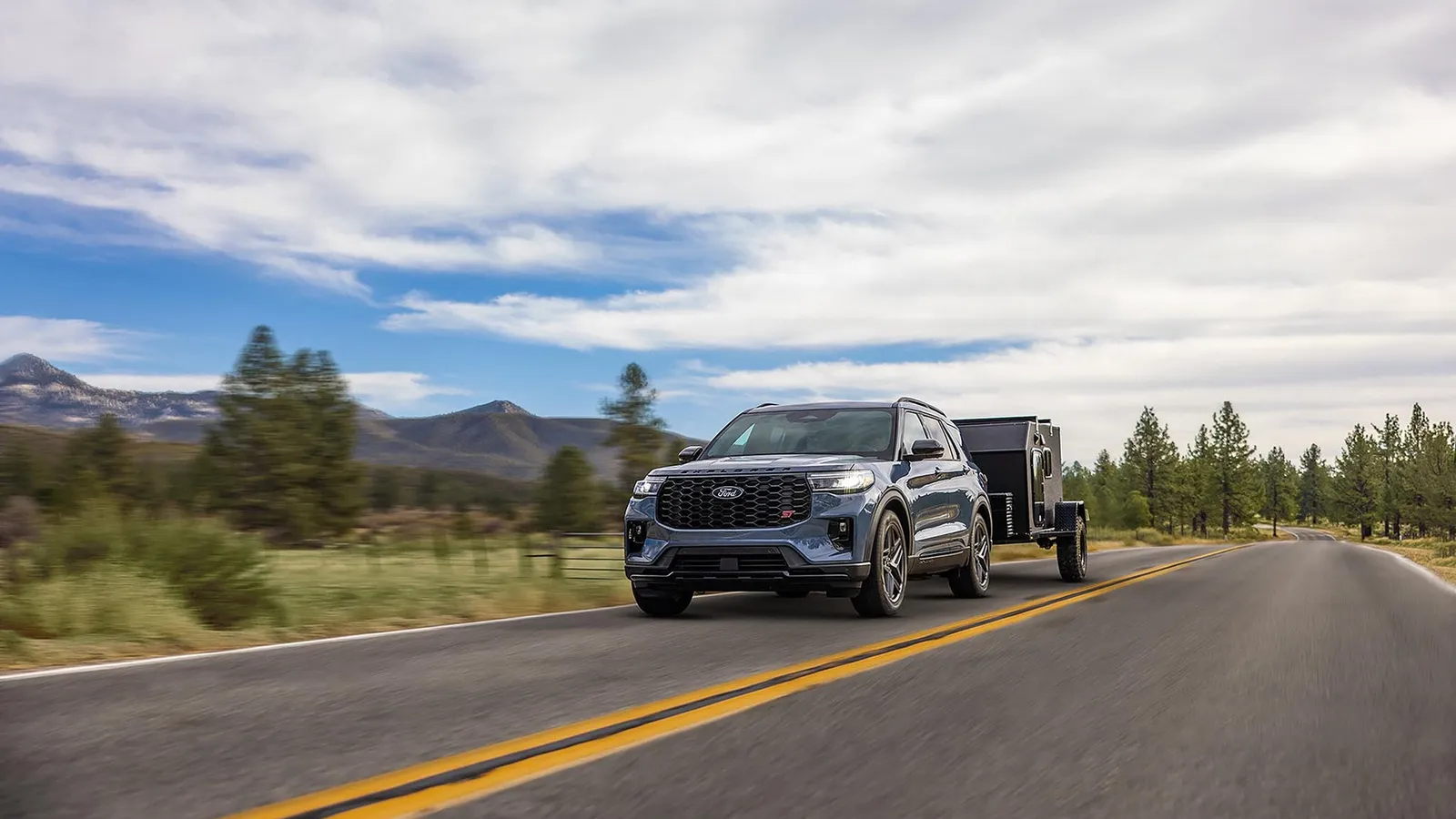
Ford trucks have to do more than look capable in Pierce County. They may spend Monday carrying tools through Tacoma, tow a boat toward the Sound on Friday, and handle a family errand run in Puyallup on Saturday. The right truck is the one that fits those real routines - including the parking, fuel, payload, towing, and ownership costs that come with them.
Ford offers one of the broadest truck lineups available, from the compact Maverick to heavy-duty Super Duty models. That variety is useful, but it can also make the decision feel bigger than it needs to be. Start with the job you actually need a truck to do most often, then choose enough capability for the occasional bigger task without paying for capacity that will sit unused.
Which Ford Truck Fits Your Day?
The best place to begin is with size. A truck that feels perfect on a jobsite can feel oversized in a crowded grocery store lot. On the other hand, a compact truck may be easy to live with every day but fall short when a growing business starts hauling heavier equipment.
Ford Maverick: Compact Capability
The Ford Maverick is a practical answer for drivers who want an open bed without moving to a full-size truck. Its smaller footprint is a natural fit for commuting between Sumner, South Hill, and Federal Way, while its bed can still handle home-improvement supplies, camping gear, and weekend project materials.
For some buyers, the Maverick makes more sense than a traditional SUV because the bed keeps muddy gear, mulch, and bulky purchases outside the cabin. It is also worth comparing with the Hyundai Santa Cruz if you want pickup versatility in a compact, city-friendly package. The Maverick tends to appeal to shoppers who prioritize a more traditional truck shape and bed utility, while the Santa Cruz may suit those looking for a more crossover-like driving experience. Neither is automatically better - the right choice comes down to how often you need to carry larger or dirtier cargo.
Ford Ranger: A Midsize Step Up
The Ranger serves drivers who want more towing and off-road confidence than a compact truck generally provides, without the physical size of a full-size model. It can be a smart middle ground for outdoor recreation, small trailers, and work gear that has outgrown a compact pickup.
Midsize trucks are often the answer when a full-size F-150 feels like more vehicle than necessary. Before deciding, consider where you park, how far you drive each week, and whether your trailer plans are occasional or frequent. Those details matter more than choosing based on appearance alone.
Ford F-150: The Flexible Full-Size Choice
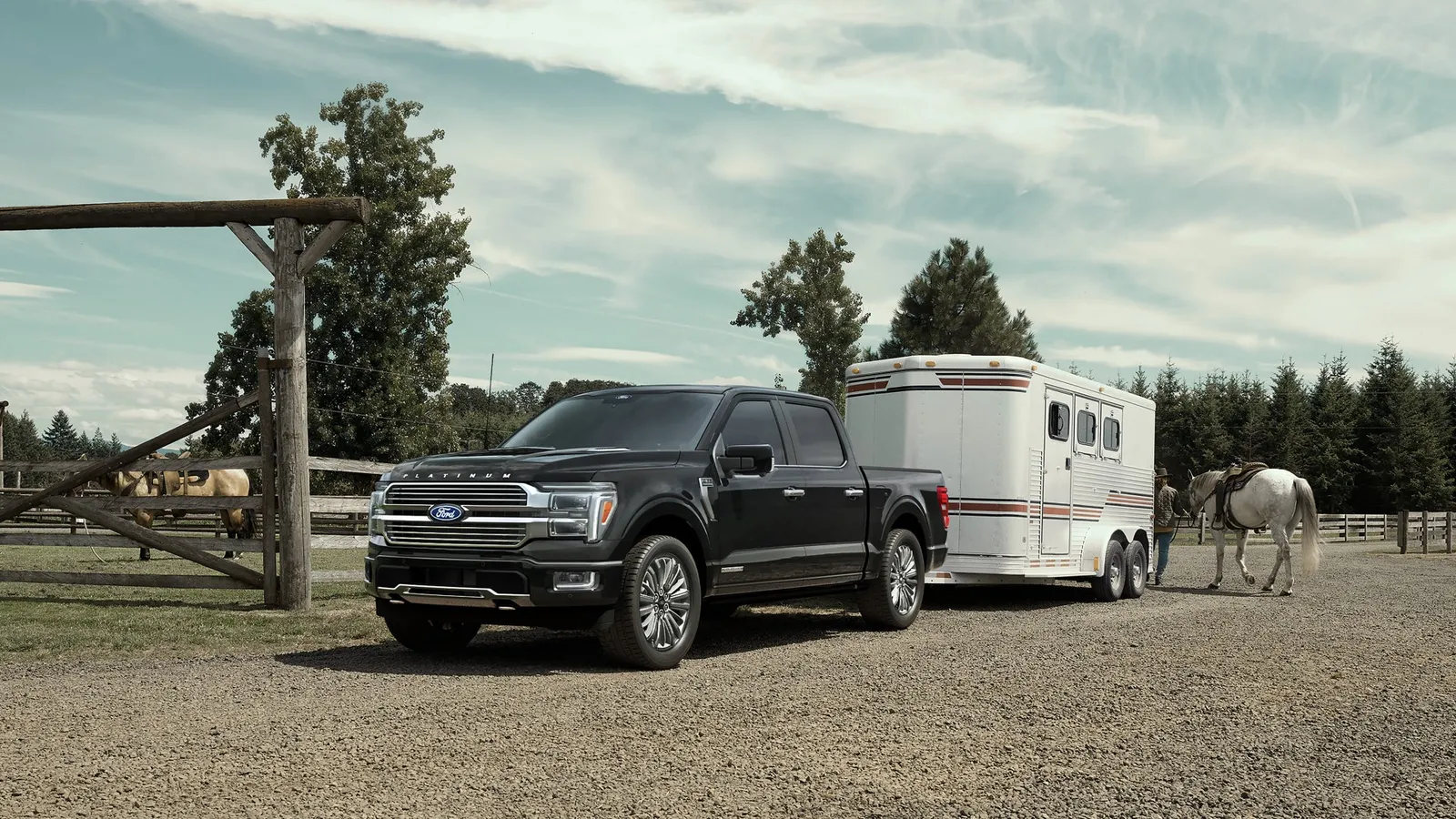
The F-150 remains a familiar choice for good reason: it can be configured for a wide range of jobs and lifestyles. Cab sizes, bed lengths, engines, and available features let buyers prioritize passenger room, towing needs, fuel economy, worksite use, or a balance of all four.
For a family in Bonney Lake that also tows a camper a few times a year, an F-150 may offer the room and capability a smaller truck cannot. For a contractor carrying materials daily, the bed and payload options may be the deciding factors. The trade-off is that a full-size truck costs more to purchase and operate than a compact option, and it takes more space in garages and parking areas.
The available PowerBoost full hybrid in the current F-150, along with pre-owned all-electric F-150 Lightning trucks, can also be worth considering. They are not the right fit for every driver. Electric-truck ownership depends on charging access, driving range, towing habits, and whether home charging is realistic. A conventional gas or hybrid powertrain may be the more convenient fit for drivers with longer routes or frequent heavy towing.
Ford Super Duty: Built for the Bigger Jobs
When towing and payload needs move beyond the everyday, Ford Super Duty trucks are designed for serious work. They are often the right conversation for business owners, farm operators, and drivers hauling heavy trailers or equipment around the South Puget Sound area and beyond.
Buying more truck than you need is not always a win. A heavy-duty pickup brings meaningful capability, but it can also mean a firmer ride, larger dimensions, and higher operating costs. If your heavy hauling is rare, an appropriately equipped F-150 could be the better long-term choice. If that work is central to your income or routine, Super Duty capability can be a practical investment rather than an unnecessary upgrade.
How to Compare Ford Trucks Beyond the Spec Sheet
Towing ratings get attention, but a useful truck comparison includes more than the highest number on a brochure. Payload, trailer setup, cargo volume, passenger space, and the equipment you will use every day all deserve equal consideration.
Think through what will actually be in the truck. A crew cab is valuable when employees, kids, or clients regularly ride along. A longer bed can be more useful for tools and materials, though it may make city parking less convenient. Four-wheel drive can bring confidence on rough roads, snowy trips, and uneven jobsite surfaces, but it adds cost and may not be necessary for every commute.
It also helps to look at the trailer itself, not just an estimated weight. Towing involves the loaded trailer, passengers, cargo in the bed, hitch equipment, and the truck's specific configuration. A sales team can help you compare these numbers, but starting with accurate information about your trailer and gear leads to a much better match.
New or Used Ford Trucks?
A new Ford truck may be the better fit when you need a very specific configuration, want current technology, or prefer the confidence of full factory warranty coverage. For drivers whose truck is central to their work, ordering or selecting the exact cab, bed, and capability combination can prevent compromises later.
Used Ford trucks can deliver strong value, especially for shoppers who want proven capability while managing their budget. The key is condition and history, not just model year or mileage. A truck used gently for commuting has a different story than one that spent years towing or working on demanding sites.
When reviewing a used truck, pay close attention to maintenance records, tire condition, bed wear, brakes, suspension, and signs of trailer use. Ask whether it has aftermarket modifications, because lift kits, tuning, and towing accessories can affect how a truck drives and is serviced. A thorough inspection and transparent vehicle history help turn a used-truck purchase into a confident decision.
Plan the Ownership Side Before You Buy
The truck payment is only one part of the picture. Insurance, fuel, tires, registration, maintenance, and accessories should all be part of the budget. A work truck may also need items such as a bed liner, tonneau cover, ladder rack, trailer brake controller, or storage system.
Financing can be tailored around the truck and your priorities. A larger down payment can reduce the amount financed, while a longer term may lower the monthly payment but increase the total cost over time. Buyers trading in another vehicle should also consider its value as part of the overall deal, rather than focusing only on a monthly number.
For business owners, it may be helpful to separate personal and business-use needs early in the conversation. The best financing path can depend on how the vehicle will be titled, how it will be used, and what documentation is available.
Keep Your Truck Ready for the Next Job
A capable truck still relies on routine care. Oil changes, tire rotations, brake inspections, fluid checks, and alignment service matter even more when a vehicle regularly carries payload or tows. Following the recommended maintenance schedule helps protect performance and can reveal small issues before they become expensive repairs.
For Ford truck owners, service convenience matters. Korum Automotive Group provides factory-trained service for local drivers who want one place to maintain the vehicles their families and businesses rely on. That kind of ongoing support is especially valuable when a truck is not just transportation, but part of the plan for getting work done.
Whether you are comparing a Maverick with a Santa Cruz, choosing between an F-150 and Super Duty, or deciding whether a used truck fits the budget better, bring your real-world needs with you. Browse available new and used vehicles, talk through financing options, and schedule service when your current truck needs attention - then choose the pickup that will make the next weekday and weekend easier.
Frequently Asked Questions
Which Ford truck is best for towing a camper or boat around Pierce County?
It depends on the trailer. The Ranger handles many small campers and boats, the F-150 covers most family travel trailers, and Super Duty models are built for heavy fifth-wheel and gooseneck loads. Start with the loaded trailer weight and the hitch you plan to use, then compare ratings for the exact truck configuration with a Korum Automotive Group sales consultant.
Is the Ford Maverick available as a hybrid?
Yes. Ford offers the Maverick with a hybrid powertrain as standard on several trims, while a turbocharged gas engine is available on others. The hybrid is a strong match for commuting between Puyallup, Sumner and Tacoma, while the turbo engine suits buyers who want more towing with the right package. Compare both at Korum Automotive Group to see which fits your routine.
Do I need four-wheel drive on a pickup in Western Washington?
Not always. Four-wheel drive helps on gravel roads, boat ramps, jobsites and snowy trips over the passes, but many drivers who stay on paved roads around Pierce County do fine with rear-wheel drive and good tires. If you travel to the mountains in winter or tow on wet launch ramps, four-wheel drive is usually worth the added cost.
Where can I get my Ford truck serviced near Puyallup?
Korum Automotive Group in Puyallup offers factory-trained service for Ford trucks, including oil changes, tire rotations, brake inspections and the maintenance your schedule calls for. Trucks that tow or carry heavy payloads often benefit from the severe-duty schedule in the owner information. You can schedule service online and plan visits around your work week.