A used vehicle is rarely just a second choice. For a Pierce County driver, the right used inventory can mean getting the truck needed for job sites in Tacoma, the three-row SUV that makes school runs from South Hill easier, or a comfortable commuter that leaves more room in the monthly budget. The key is looking past model year alone and focusing on how a vehicle fits the miles, people, cargo, and weather in your real life.
At Korum Automotive Group, shoppers can compare options across Ford, Hyundai, Lincoln, and other makes in one convenient stop. That matters when you are deciding whether your next vehicle needs truck capability, efficient city-friendly size, premium comfort, or a combination of all three.
What to Look for in Used Inventory
A strong used-vehicle search starts with priorities, not a single badge or color. Set a comfortable total budget first, including taxes, licensing, insurance, fuel, and routine maintenance. Then decide which needs are non-negotiable. A growing family may need a third row and easy car-seat access. A contractor may care more about payload, towing equipment, and bed length. A commuter traveling between Puyallup and Federal Way may put fuel economy, driver-assist features, and highway comfort at the top of the list.
Mileage deserves context. A newer vehicle with higher highway mileage can be a better match than an older vehicle with fewer miles but inconsistent maintenance. Ask about the vehicle history, available service records, tire condition, brake wear, and whether all keys and accessories are included. A test drive should include city streets, highway speeds, turns, braking, parking, and a few minutes adjusting the seat and controls. The best vehicle on paper still has to feel right behind the wheel.
It also helps to compare trim levels carefully. Two examples of the same model can have very different equipment. Features such as all-wheel drive, heated seats, adaptive cruise control, a towing package, leather upholstery, or a power liftgate may change both the purchase price and the day-to-day experience.
Compare Used Vehicles Across Brands
Cross-shopping is where a multi-brand selection can save time. Rather than visiting separate stores to compare categories, local shoppers can evaluate familiar choices side by side and see where the trade-offs actually land.
Trucks and versatile pickups
A used Ford F-150 is often a natural starting point for buyers who need serious towing and hauling capability. Cab configuration, engine choice, bed length, and towing equipment all matter, so it is worth matching the truck to the trailer or workload you expect to have. Buying more truck than necessary can raise fuel and ownership costs, while buying too little can limit what you can safely tow.
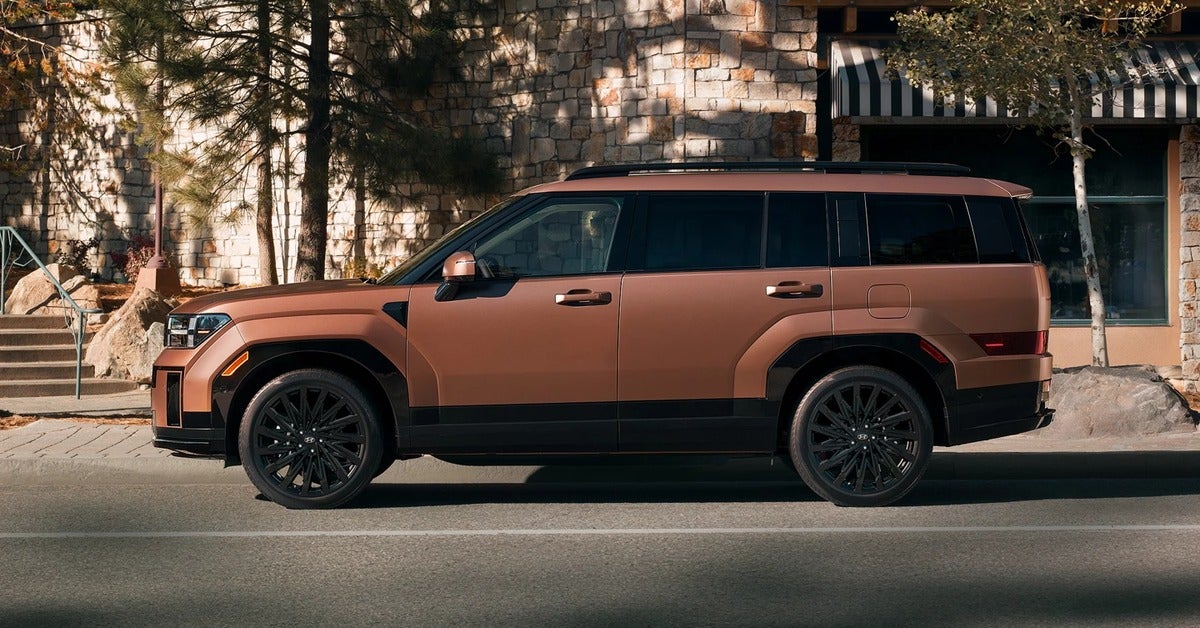
The Hyundai Santa Cruz offers a different answer for drivers who like pickup utility but do not need full-size capability. Its smaller footprint can be easier to live with around Puyallup parking lots and daily commuting, while its open bed supports bikes, home projects, and weekend gear. It depends on whether your priority is maximum work capacity or flexible everyday use.
SUVs for families, commutes, and Northwest weekends
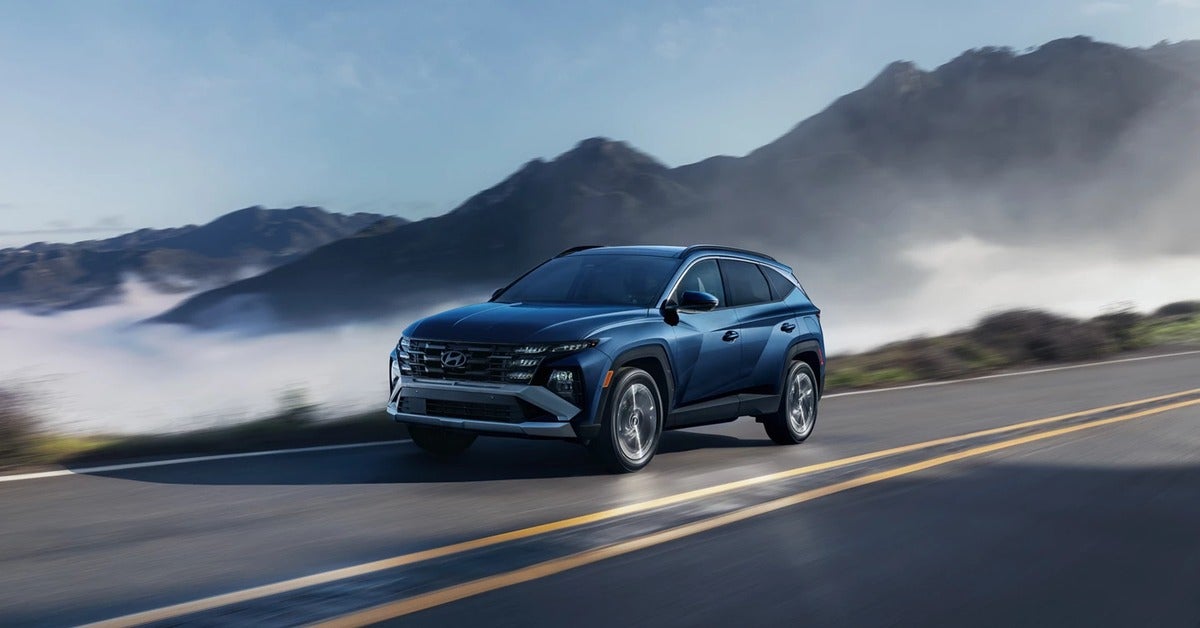
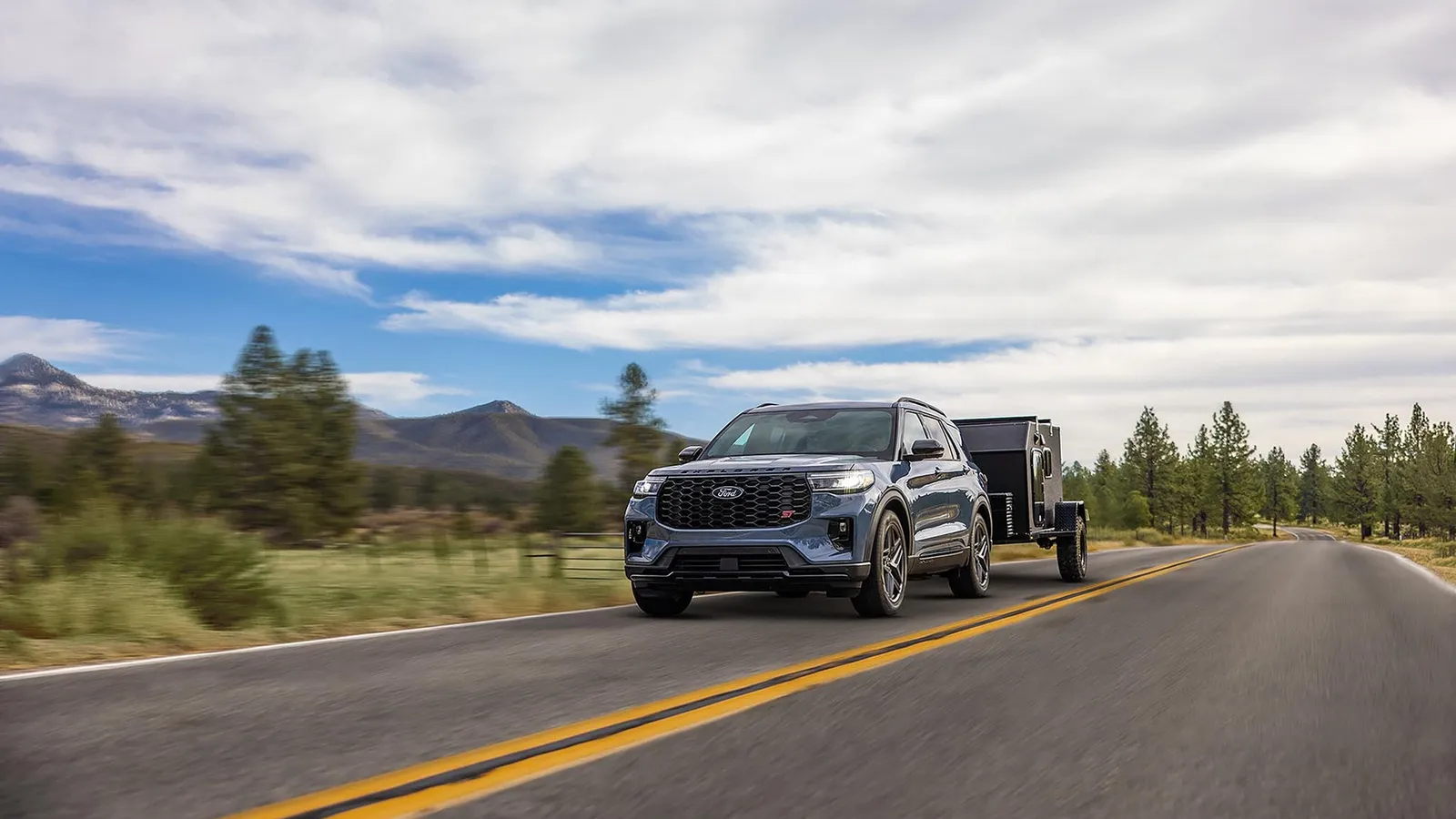
SUV shoppers have a wide range of used choices. A Ford Explorer can be a practical fit for drivers who want available three-row seating, confident road manners, and room for family gear. A Hyundai Tucson or Santa Fe may appeal to buyers who value efficient daily driving and thoughtfully arranged cabin space. For a more refined experience, a Lincoln Aviator can bring premium materials, advanced comfort features, and three-row versatility.
These vehicles do not serve identical needs, and that is the point. A Bonney Lake family may choose a larger SUV for carpools and camping trips, while a Tacoma commuter may be happier with a compact SUV that is easier to park and less expensive to fuel. Bring your passengers, car seats, or frequently carried items when practical. Seeing how a vehicle works with your routine is more useful than guessing from a spec sheet.
Sedans, electrified choices, and budget-minded transportation
Used sedans and compact vehicles remain smart choices for many South Puget Sound households. They can offer efficient commuting, lower initial costs, and simple maneuverability. Hybrid and electrified models can also be worth considering for drivers with predictable routes, though battery condition, charging access, and driving habits should be part of the conversation.
A lower-priced vehicle can be the right financial move, but price should not be the only filter. Consider expected maintenance, remaining tire life, fuel use, insurance costs, and whether the vehicle has the safety and convenience features you will use every day. The better value is the vehicle that meets your needs without creating avoidable costs later.
Why Vehicle Condition Matters More Than a Single Number
Model year and odometer reading offer useful starting points, but condition tells a fuller story. A careful inspection can reveal how a vehicle has been cared for and what it may need next. Look for even tire wear, smooth shifting, stable braking, consistent panel gaps, working electronics, and warning lights that stay off after startup.
Service history can be especially helpful because it shows whether routine work was handled on schedule. Oil changes, brake service, tire rotations, fluid checks, and manufacturer-recommended maintenance all support long-term dependability. If a vehicle is due for maintenance soon, that does not automatically make it a poor choice. It simply should be part of an honest ownership-cost discussion.
For used luxury vehicles, features deserve extra attention. Test the infotainment system, climate controls, power seats, cameras, liftgate, sunroof, and driver-assist equipment. More features can make every drive more enjoyable, but they also make a thorough walkaround and test drive more valuable.
Make Financing Part of the Vehicle Decision
The payment matters, but it should not be the only number you review. A lower monthly payment can result from a longer loan term, which may mean paying more interest over time. A larger down payment can reduce the amount financed, but buyers should avoid draining savings needed for emergencies or future maintenance.
Before visiting, consider your trade-in value, desired down payment, approximate credit situation, and target monthly payment. Being clear about those details helps the financing conversation move faster and keeps the focus on options that make sense. If you are comparing a newer used SUV with a less expensive older one, ask to see how the total cost, term, and payment differ. The answer may make the choice clearer, or it may show that both vehicles fit for different reasons.
Buyers with less-than-perfect credit should not assume they have no options. A straightforward conversation about the budget and financing goals can help identify a realistic path without pressure or surprises.
A Practical Test-Drive Checklist
Before making a decision, take enough time to evaluate the vehicle as you would use it. Check that you can see clearly from the driver's seat, that rear passengers have the room they need, and that cargo space works for your usual gear. On the road, listen for unusual noises, notice acceleration and braking response, and test parking visibility.
Also think ahead. If you tow, confirm the equipment and ratings for the specific vehicle rather than relying on a model's maximum advertised capacity. If you drive to the mountains or through heavy rain, ask whether all-wheel drive, suitable tires, or additional driver-assist features would add meaningful confidence. If your commute is short, a larger engine may not provide enough benefit to justify higher fuel costs.
Find the Right Used Vehicle Close to Home
Used inventory changes often, which creates opportunity but also means a vehicle that fits your needs may not stay available long. Start with the body style and budget that make sense, compare a few options across brands, and let a careful walkaround, test drive, and financing review narrow the field.
When you are ready, browse the current used selection, bring your trade-in details, and ask about financing options that fit your budget. After you drive home, factory-trained service support is available to help keep your vehicle ready for the roads ahead.
Frequently Asked Questions
Does Korum Automotive Group sell used vehicles from other brands?
Yes. Along with used Ford, Hyundai and Lincoln models, the Korum used inventory includes vehicles from many other makes. That lets Pierce County shoppers compare trucks, SUVs and sedans across brands in one Puyallup visit. Check the online inventory first, then schedule a test drive on the vehicles that fit your budget and needs.
What is the difference between certified pre-owned and used?
A certified pre-owned vehicle meets the manufacturer age and mileage requirements, passes a detailed inspection and adds extended warranty coverage and other benefits. A regular used vehicle may still be in excellent condition but does not carry those manufacturer guarantees. Compare the price difference against the added coverage to decide which fits your plans.
Is a used hybrid a good choice for Pierce County commuting?
It can be, especially for stop and go traffic on routes into Tacoma or along State Route 512, where hybrids often use less fuel than comparable gas models. Ask about remaining hybrid battery warranty coverage and service records. A test drive on your usual commute is the best way to judge whether the vehicle fits your routine.
Can I trade in my current vehicle when buying a used car?
Yes. Your trade can be applied to a used purchase the same way it applies to a new one. Positive equity lowers the amount financed, while negative equity needs a clear plan. Bring your title or payoff details, all keys and service records to your appraisal so the numbers come together quickly.